 English Ladder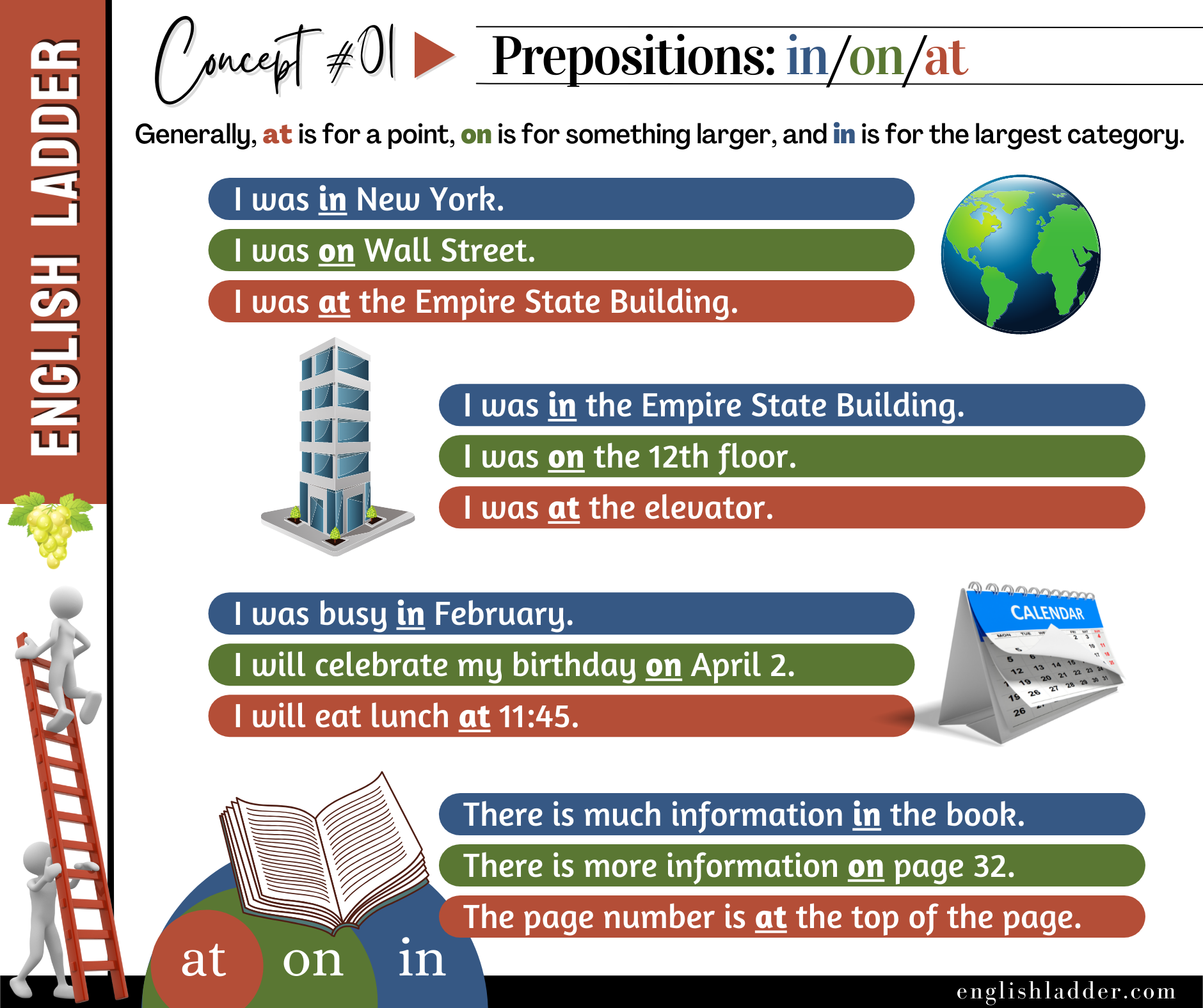
01 · A1–A2 · 10–15 min
In, on, and at
Say where something is and when it happens.
Place and timeUnderstand it. Use it.
Compare natural examples, then check your understanding with multiple-choice practice.
New to the library? Start with in, on, and at, asking about prices, or asking for advice.
44 lessons
No lessons match. Try a shorter search or another level.
01 · A1–A2 · 10–15 min
Say where something is and when it happens.
Place and time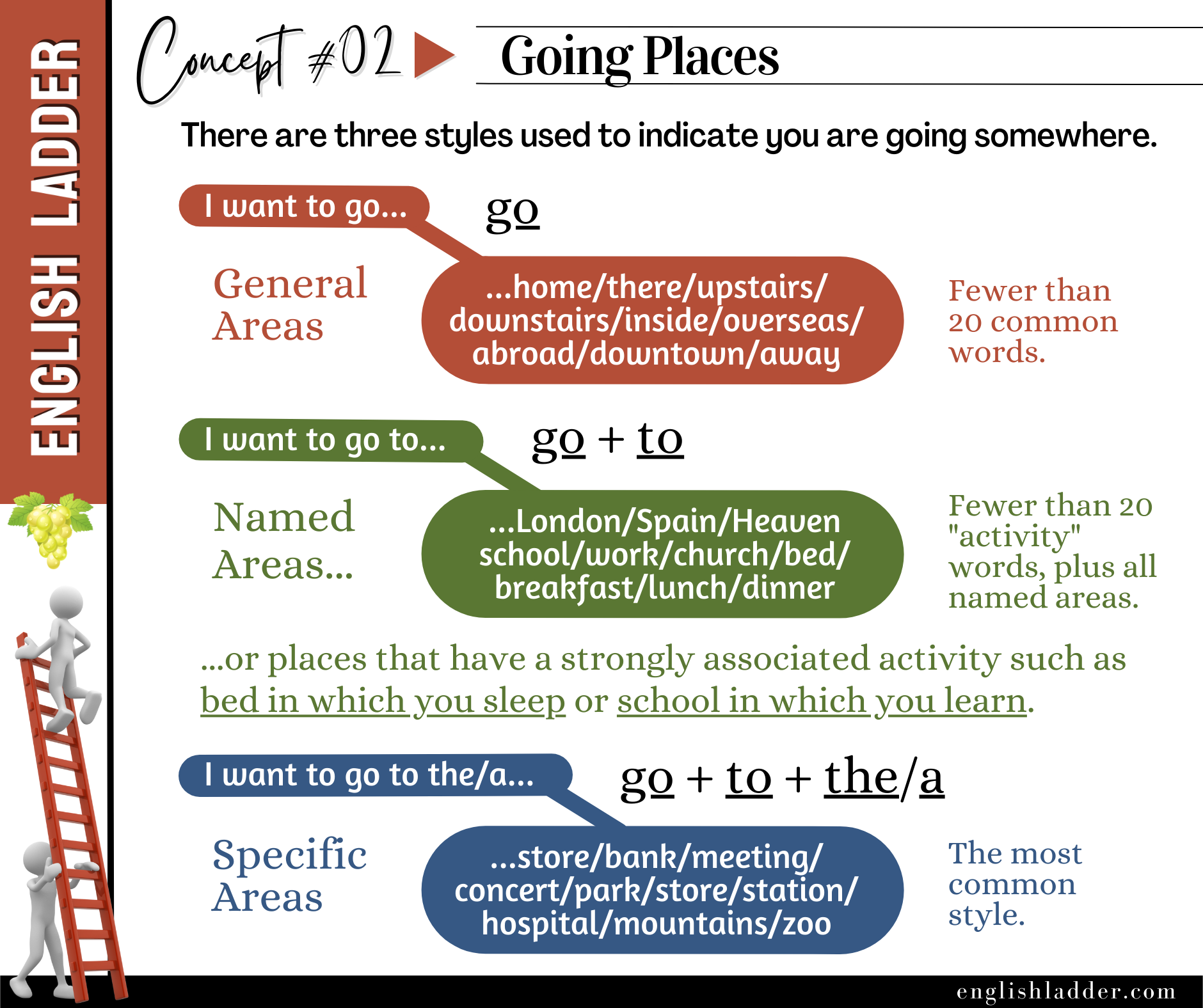
02 · A1–A2 · 10–15 min
Describe destinations with the right phrase.
Place and time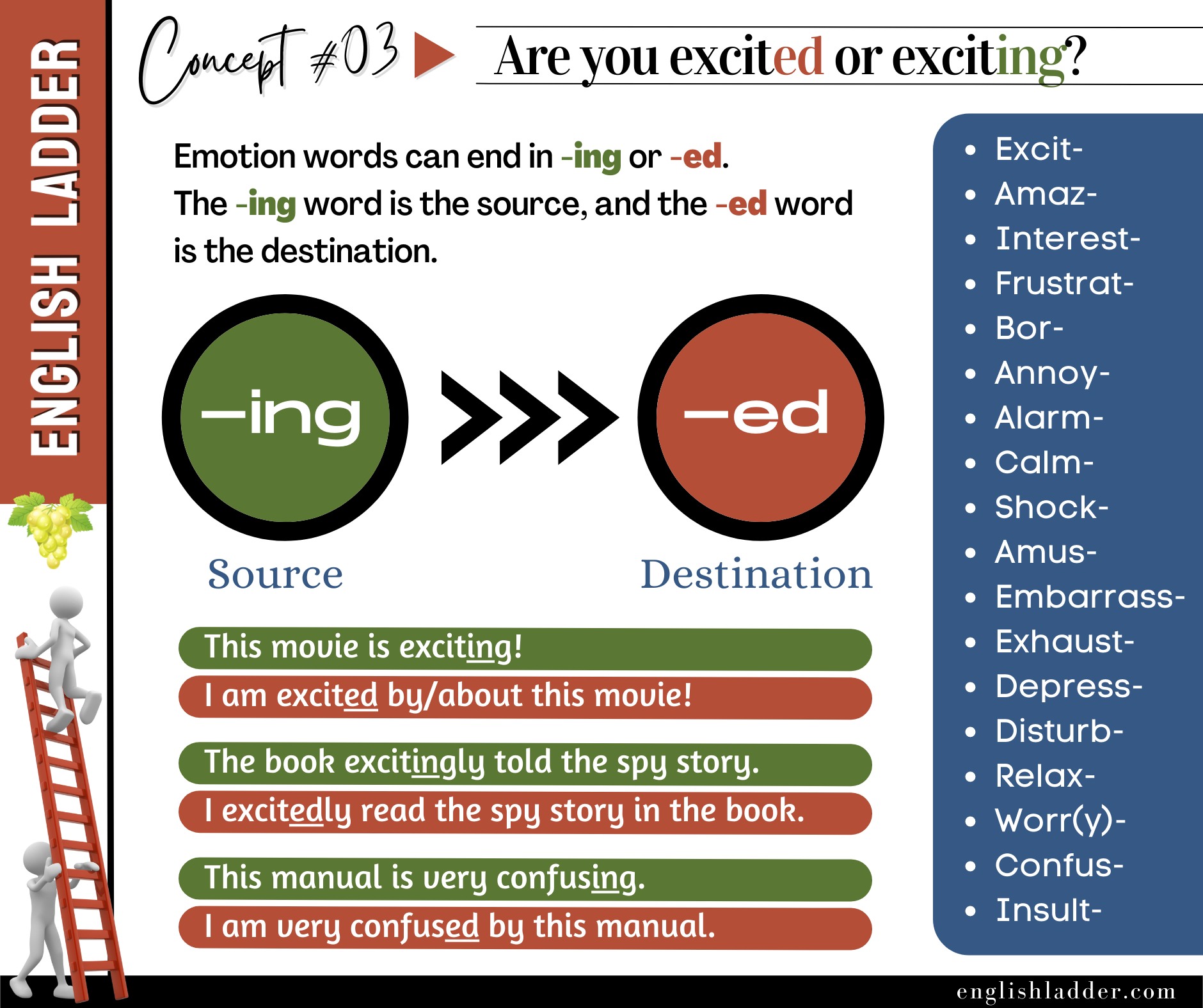
03 · A1–A2 · 10–15 min
Describe a feeling and what causes it.
Word choice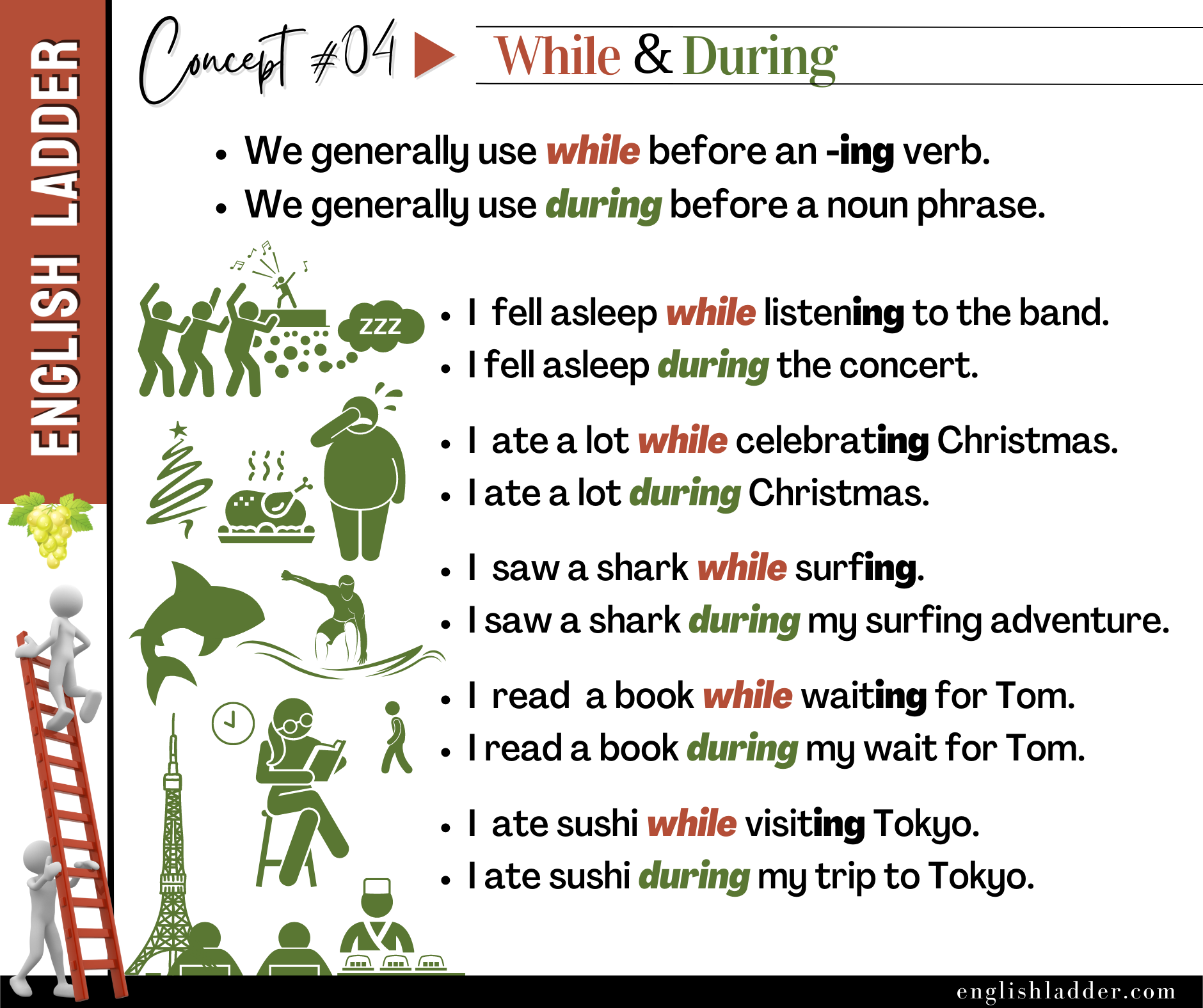
04 · A2–B1 · 10–15 min
Connect activities that overlap in time.
Connecting ideas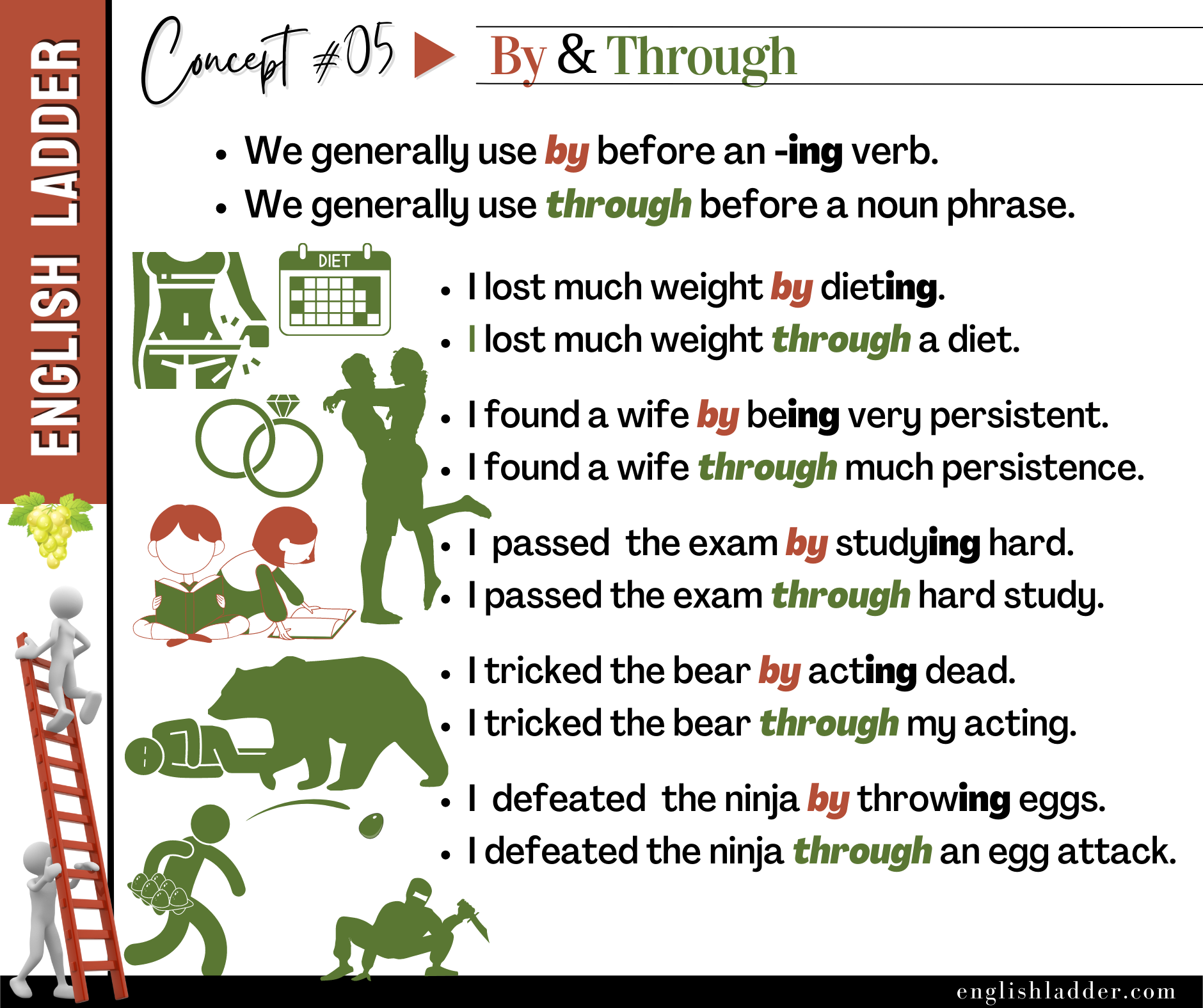
05 · B1–B2 · 10–15 min
Explain a method or a process without changing the meaning.
Place and time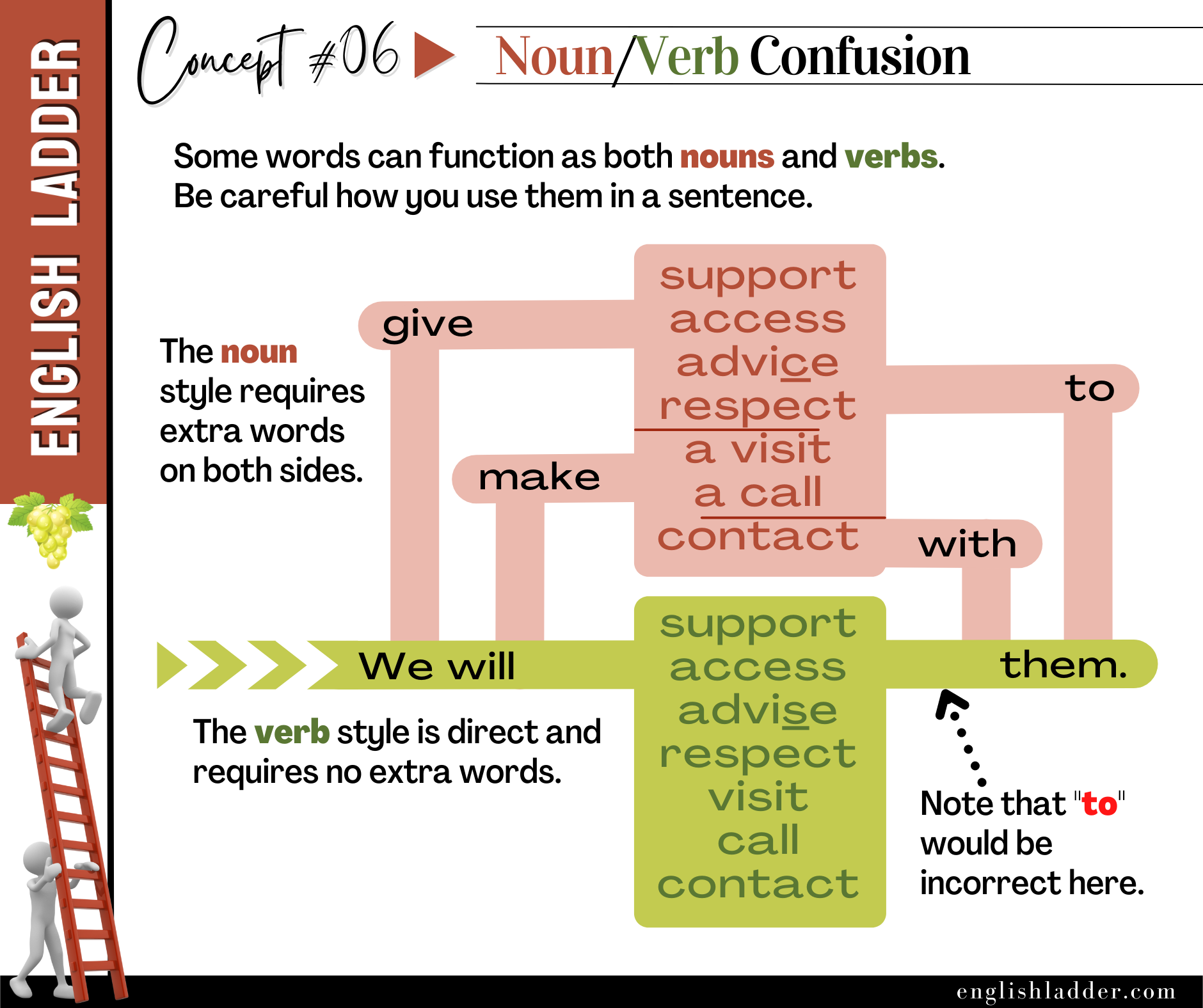
06 · A2–B1 · 10–15 min
Choose the form that fits a sentence.
Word choice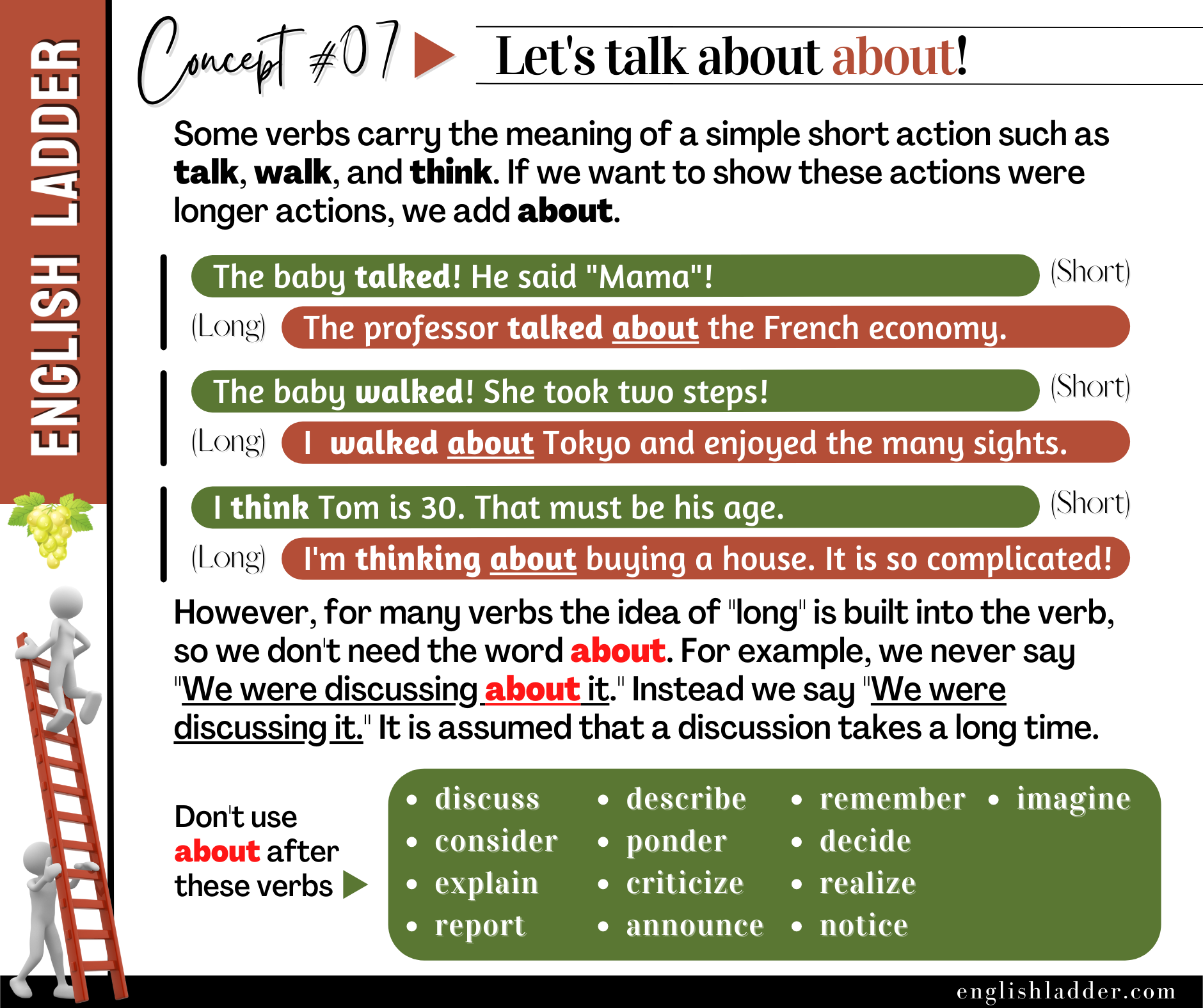
07 · A2–B1 · 10–15 min
Use “about” for a topic and recognize its other meanings.
Word choice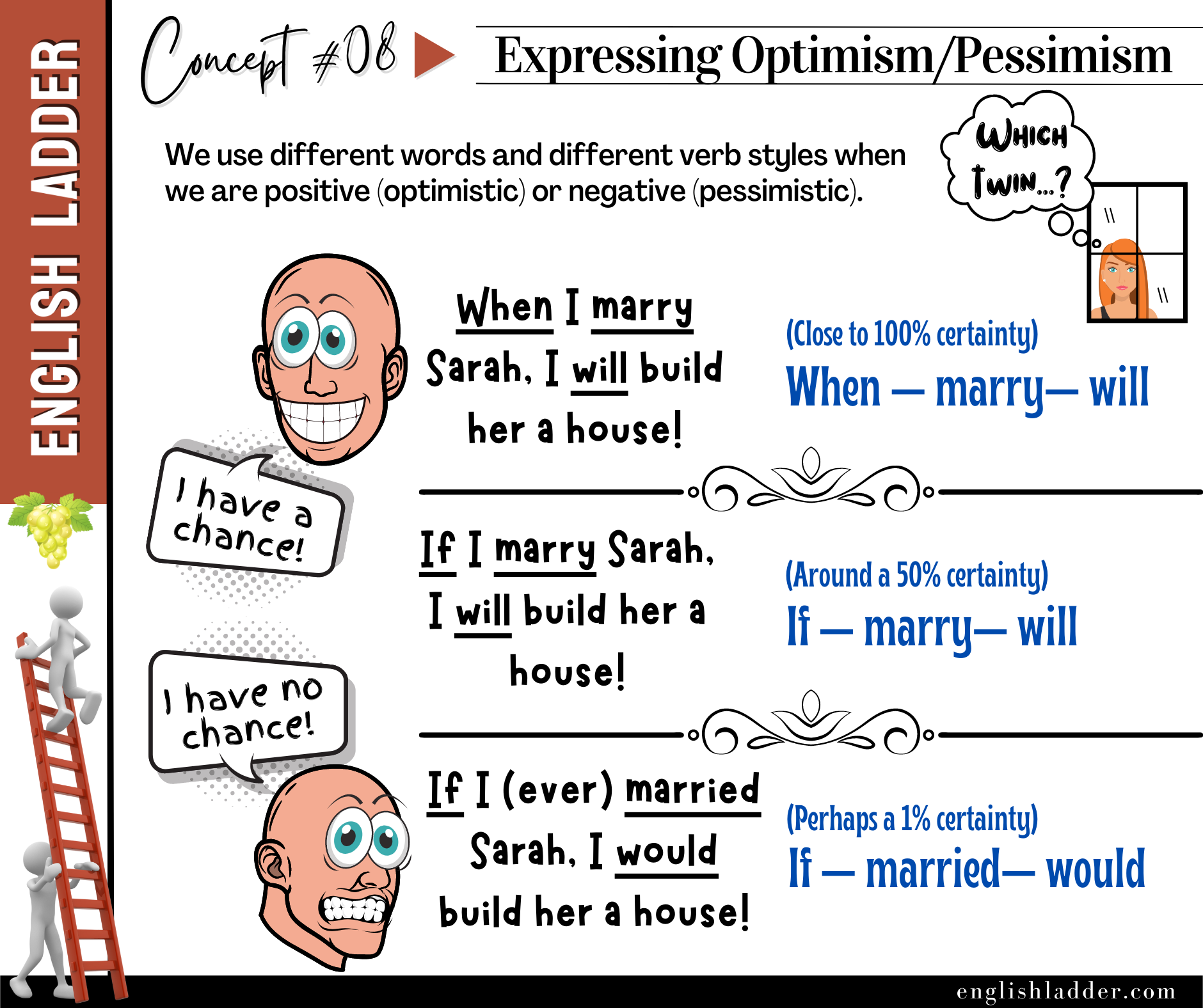
08 · B1–B2 · 10–15 min
Separate what you want from what you think is likely.
Time and verbs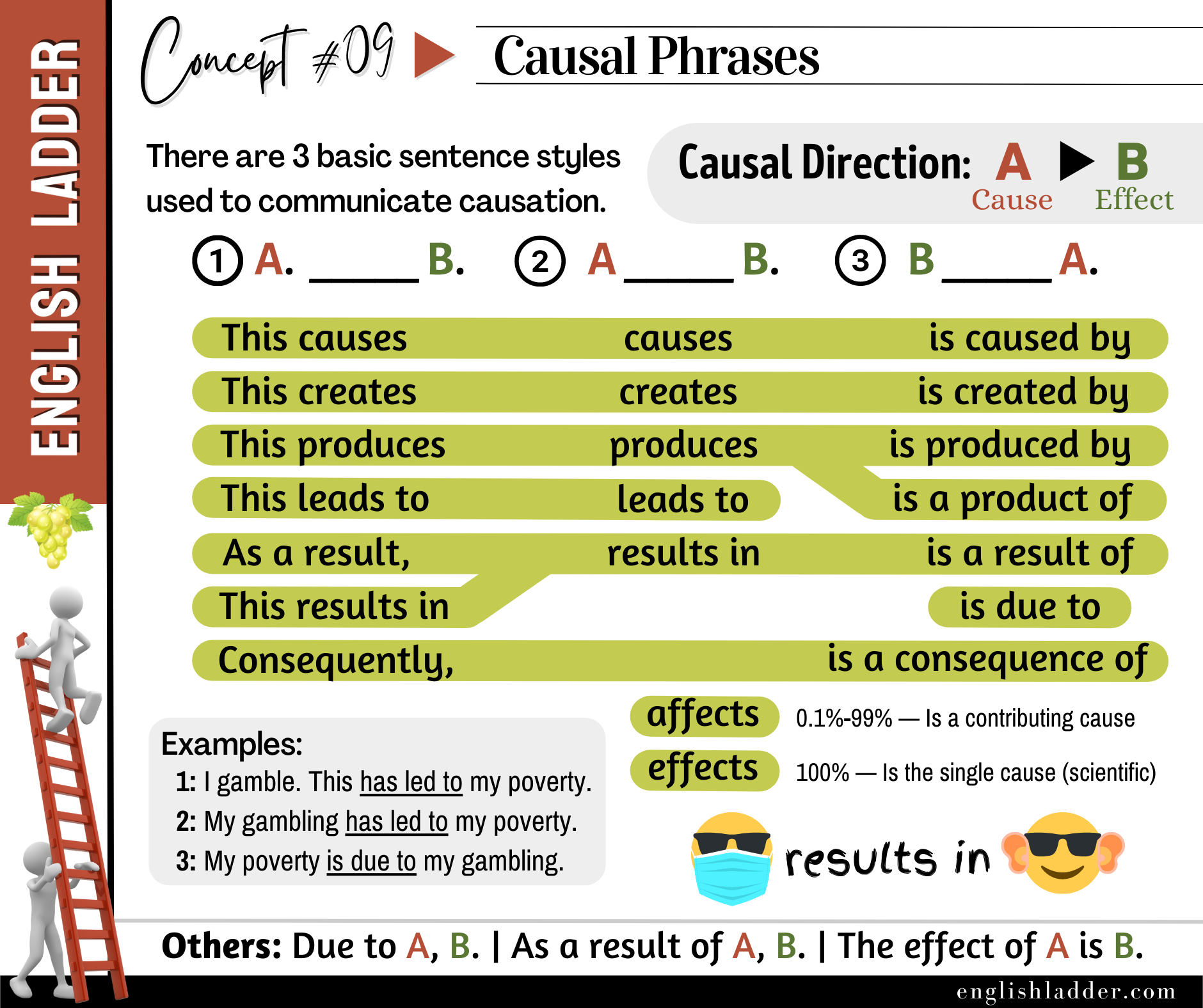
09 · A2–B1 · 10–15 min
Give a reason and describe its result.
Connecting ideas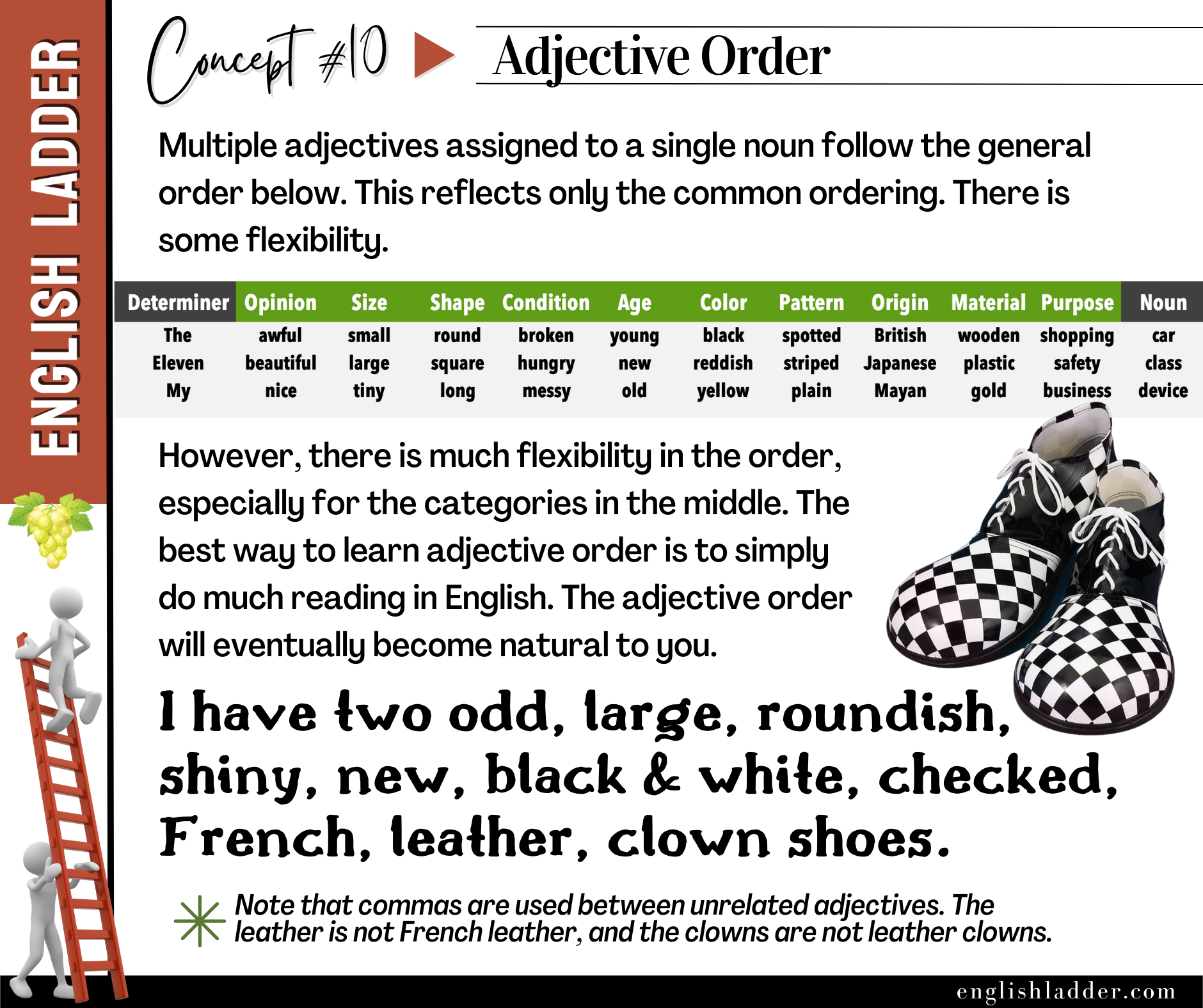
10 · B1–B2 · 10–15 min
Describe an object naturally without overloading the sentence.
Sentence structure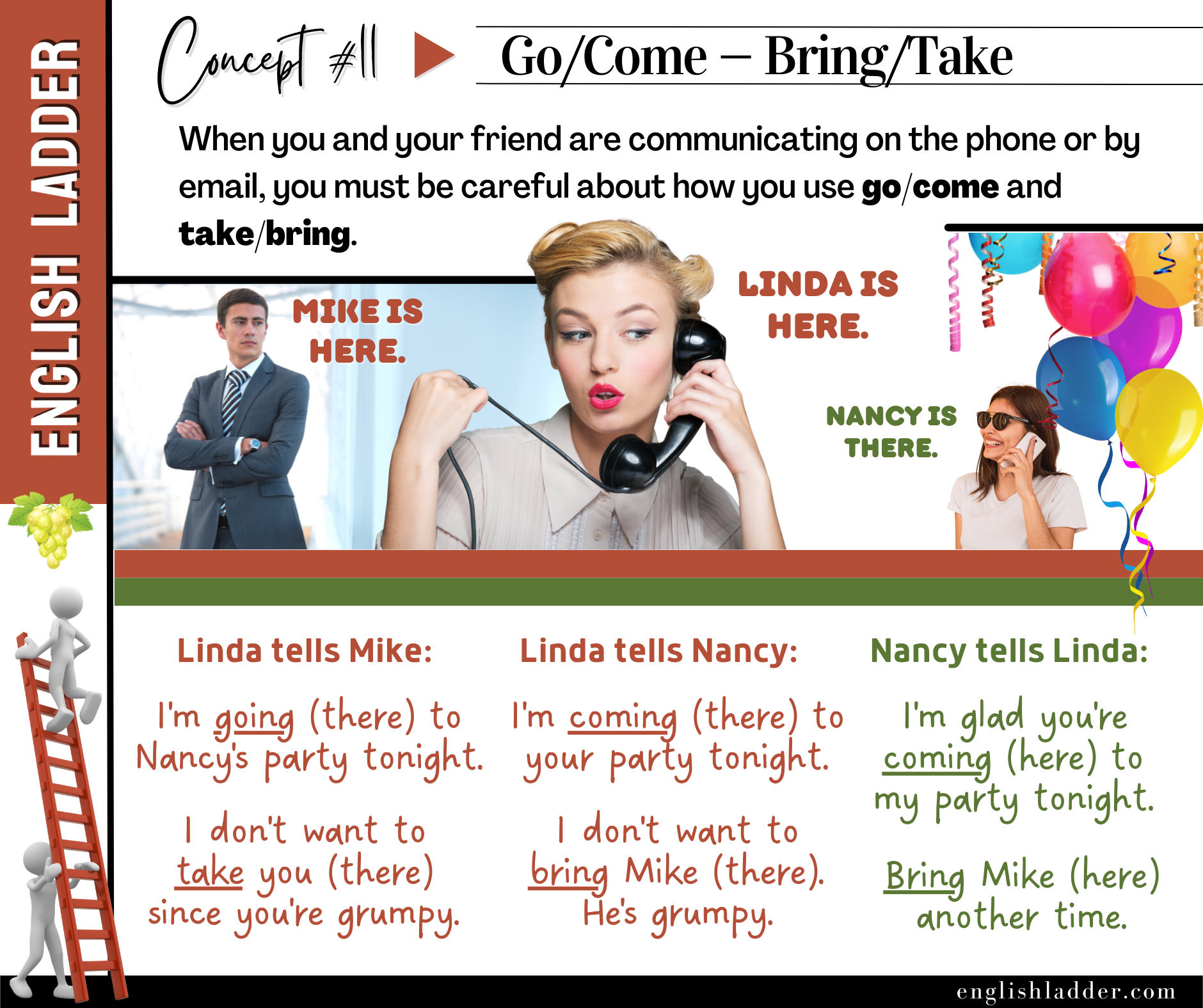
11 · A2–B1 · 10–15 min
Describe movement from a clear point of view.
Place and time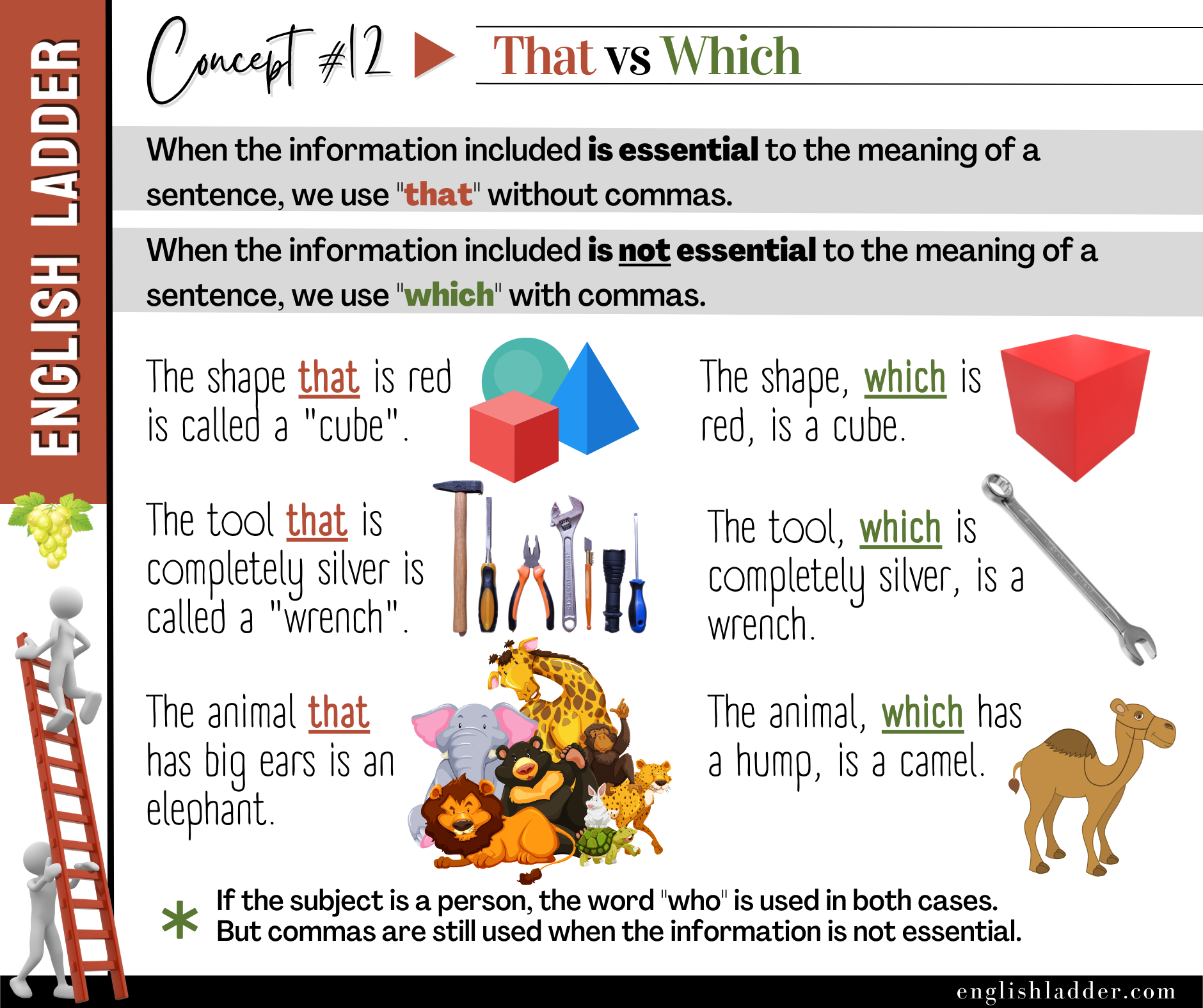
12 · B1–B2 · 10–15 min
Show whether a relative clause identifies something or adds a detail.
Sentence structure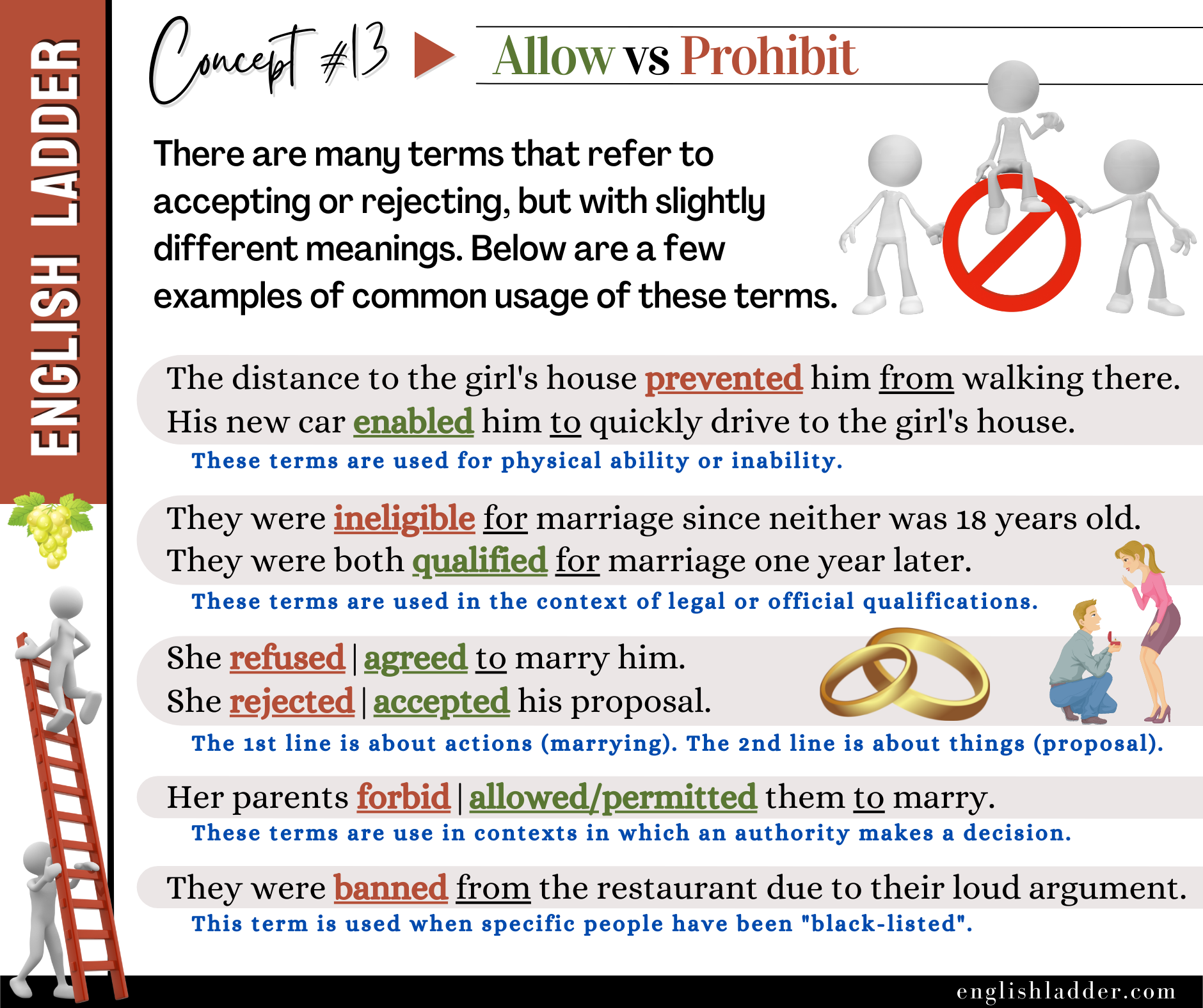
13 · B1–B2 · 10–15 min
Explain permission and restrictions clearly.
Time and verbs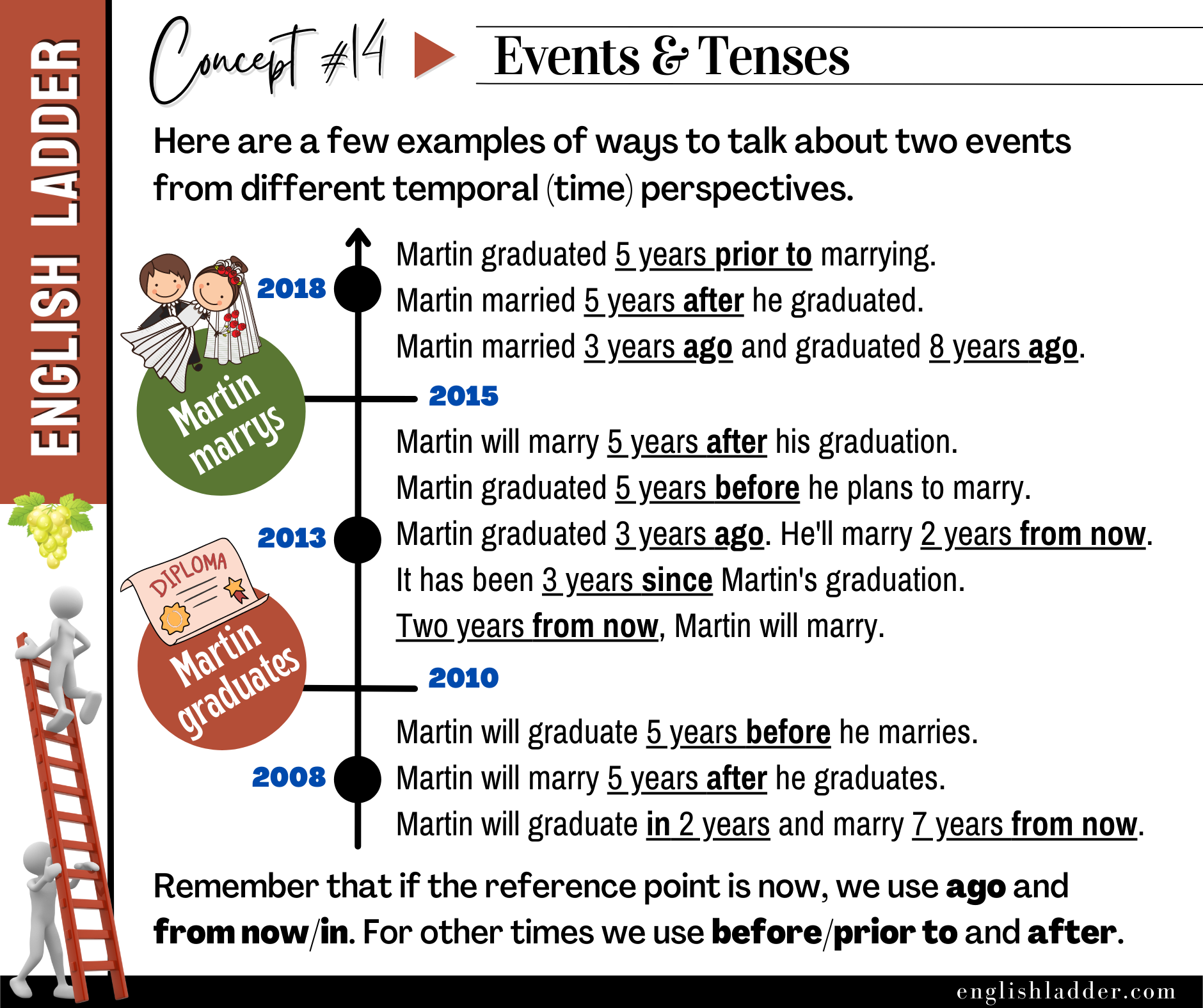
14 · A2–B1 · 10–15 min
Put a finished event in its time context.
Time and verbs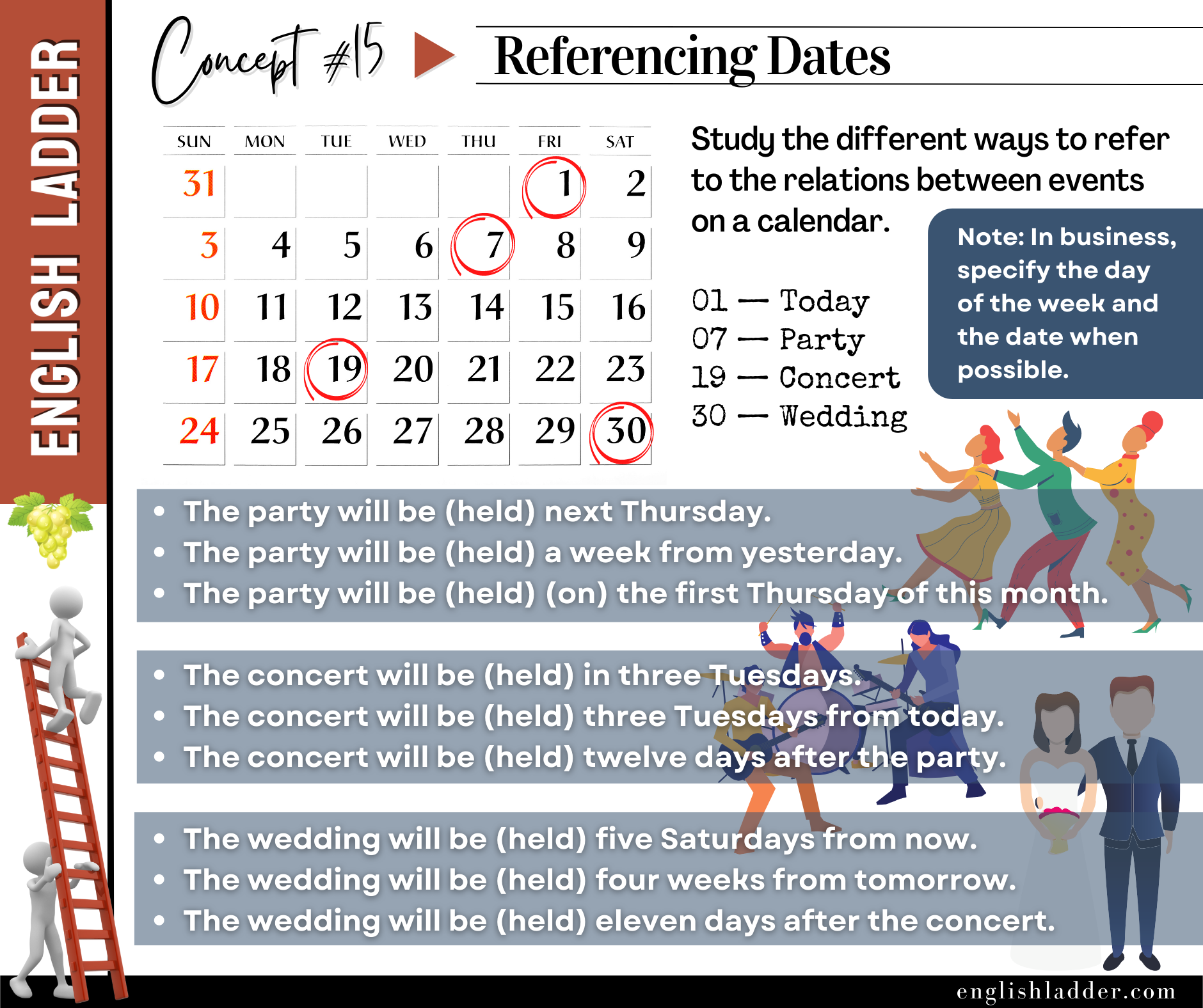
15 · A2–B1 · 10–15 min
Distinguish a deadline from a continuing period.
Place and time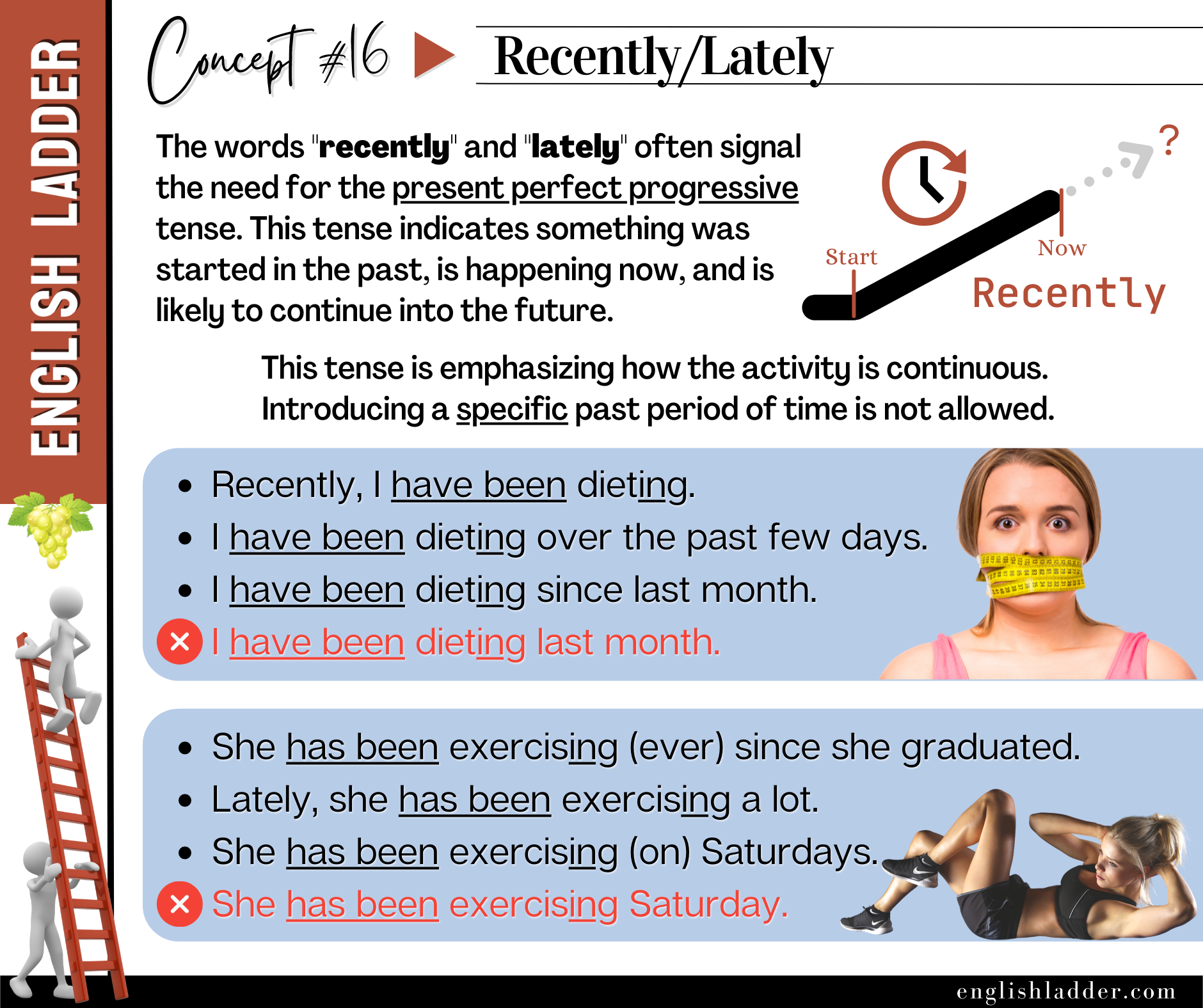
16 · B1–B2 · 10–15 min
Choose a tense that fits the event, not just the adverb.
Time and verbs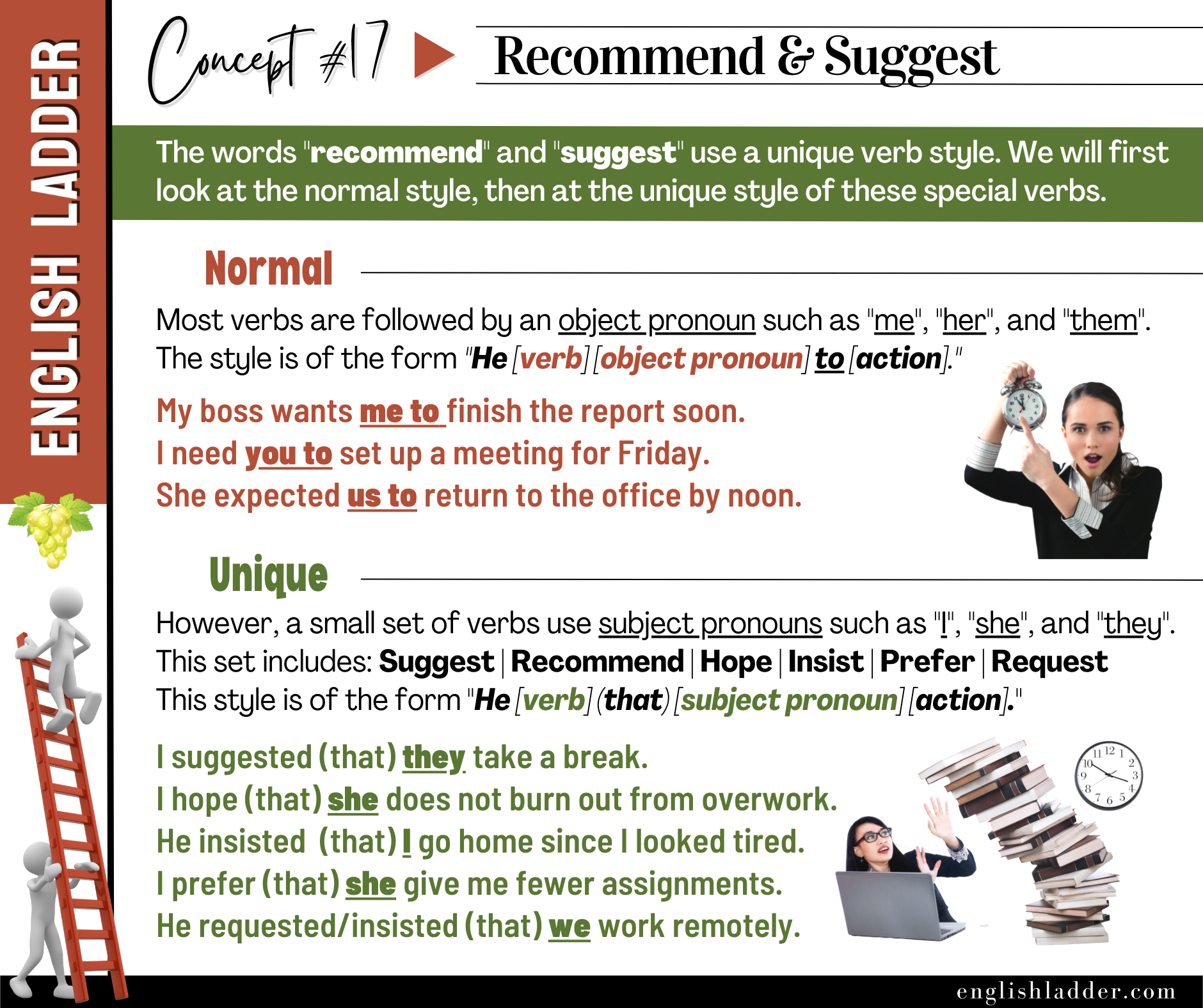
17 · B1–B2 · 10–15 min
Offer an idea using a natural verb pattern.
Time and verbs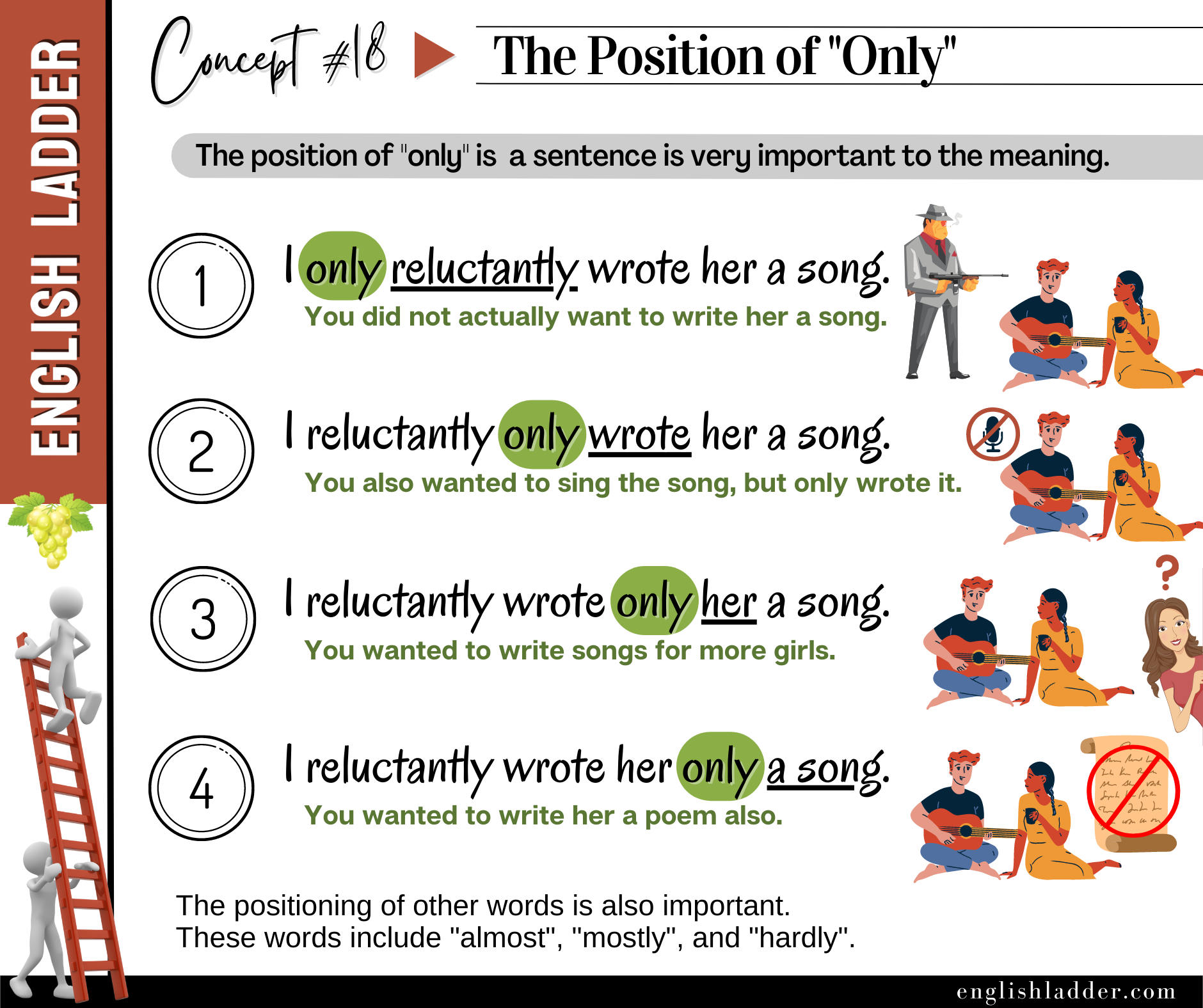
18 · B1–B2 · 10–15 min
Make clear what you are limiting.
Sentence structure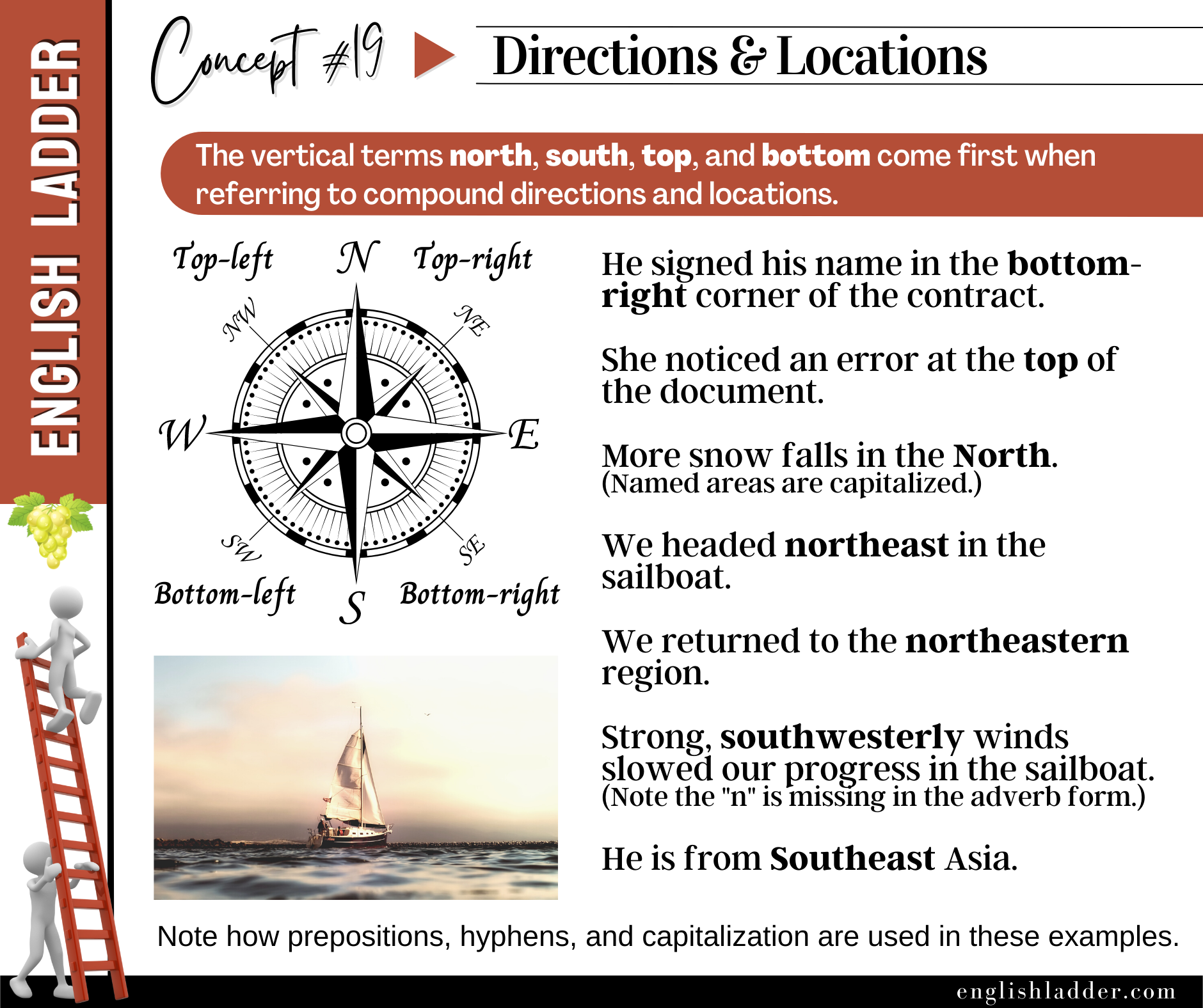
19 · A2–B1 · 10–15 min
Help someone locate a place or an item.
Place and time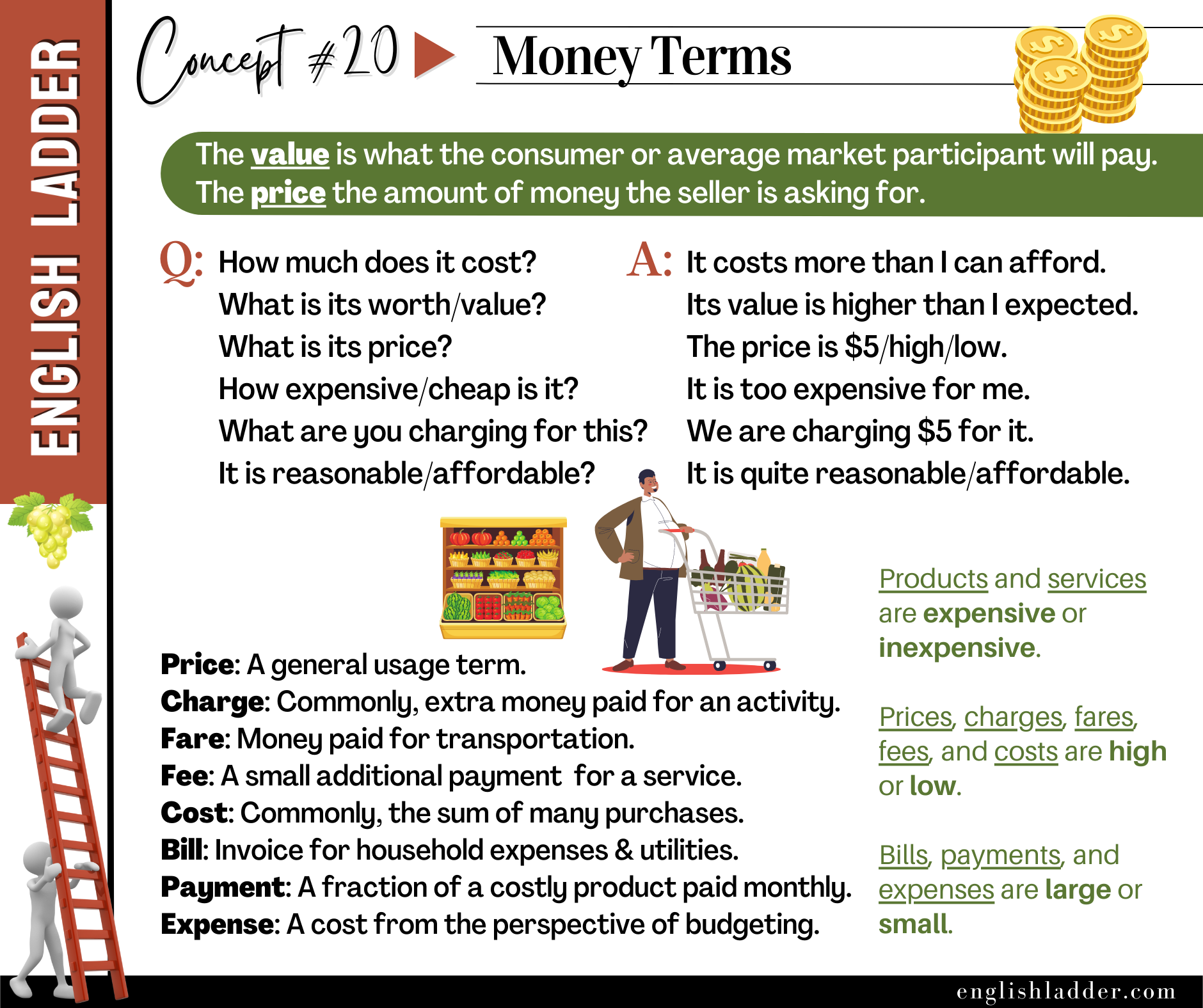
20 · A1–A2 · 10–15 min
Ask what something costs and clarify the total.
Everyday communication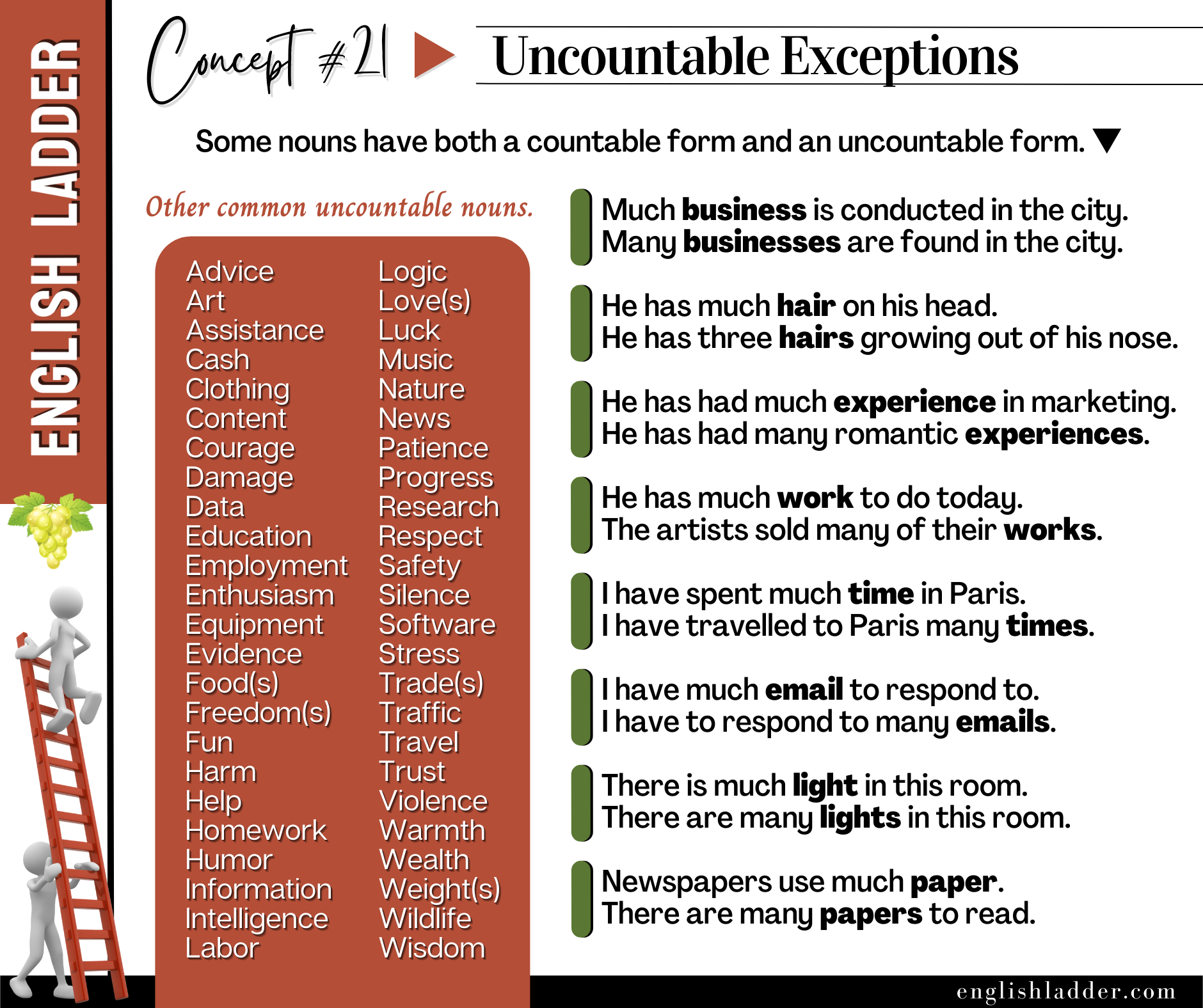
21 · A2–B1 · 10–15 min
Talk about amounts using the right noun pattern.
Quantity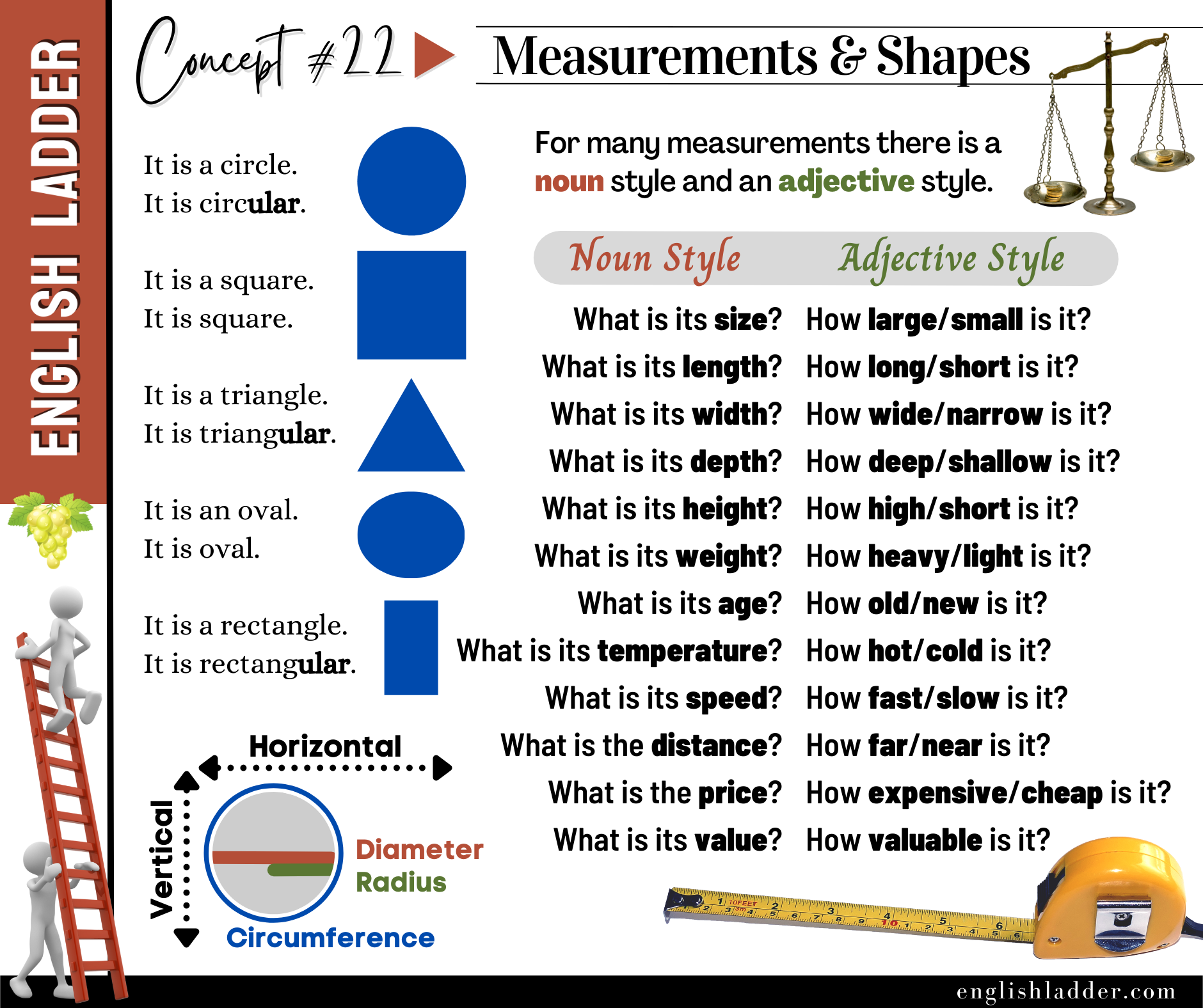
22 · A2–B1 · 10–15 min
Describe size with an appropriate unit and pattern.
Quantity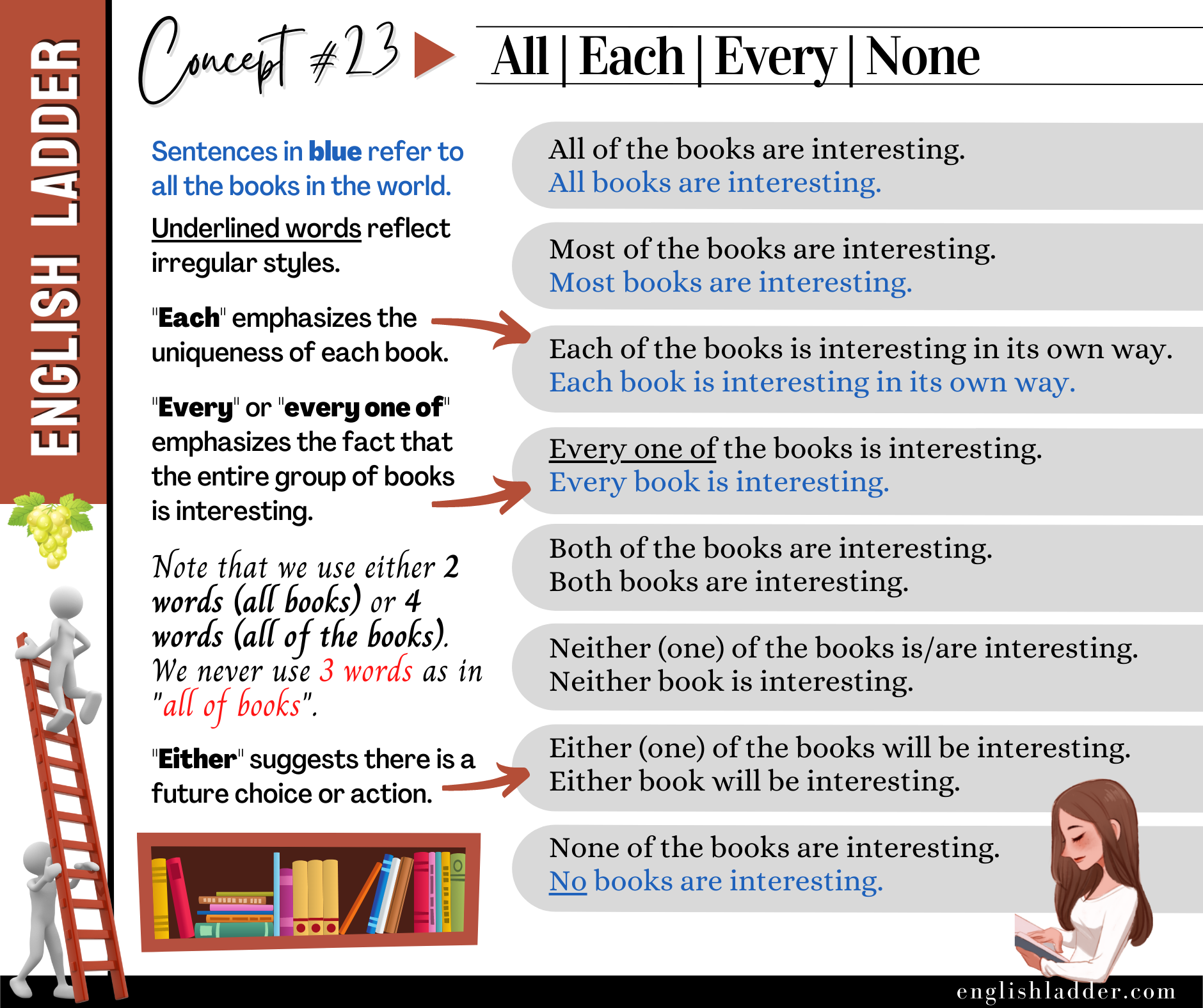
23 · A2–B1 · 10–15 min
Describe a whole group or its individual members.
Quantity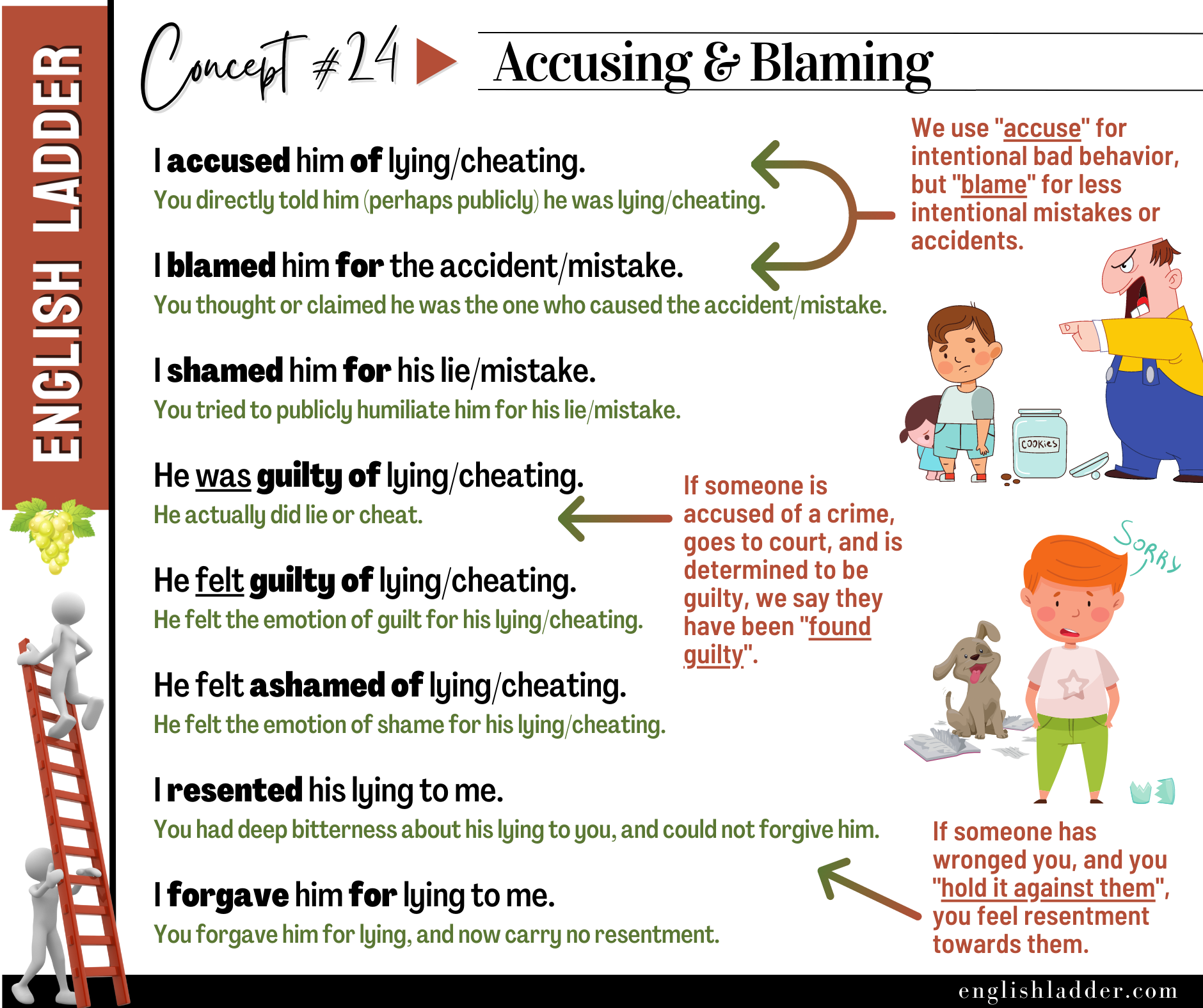
24 · B1–B2 · 10–15 min
Distinguish an allegation from an assignment of responsibility.
Everyday communication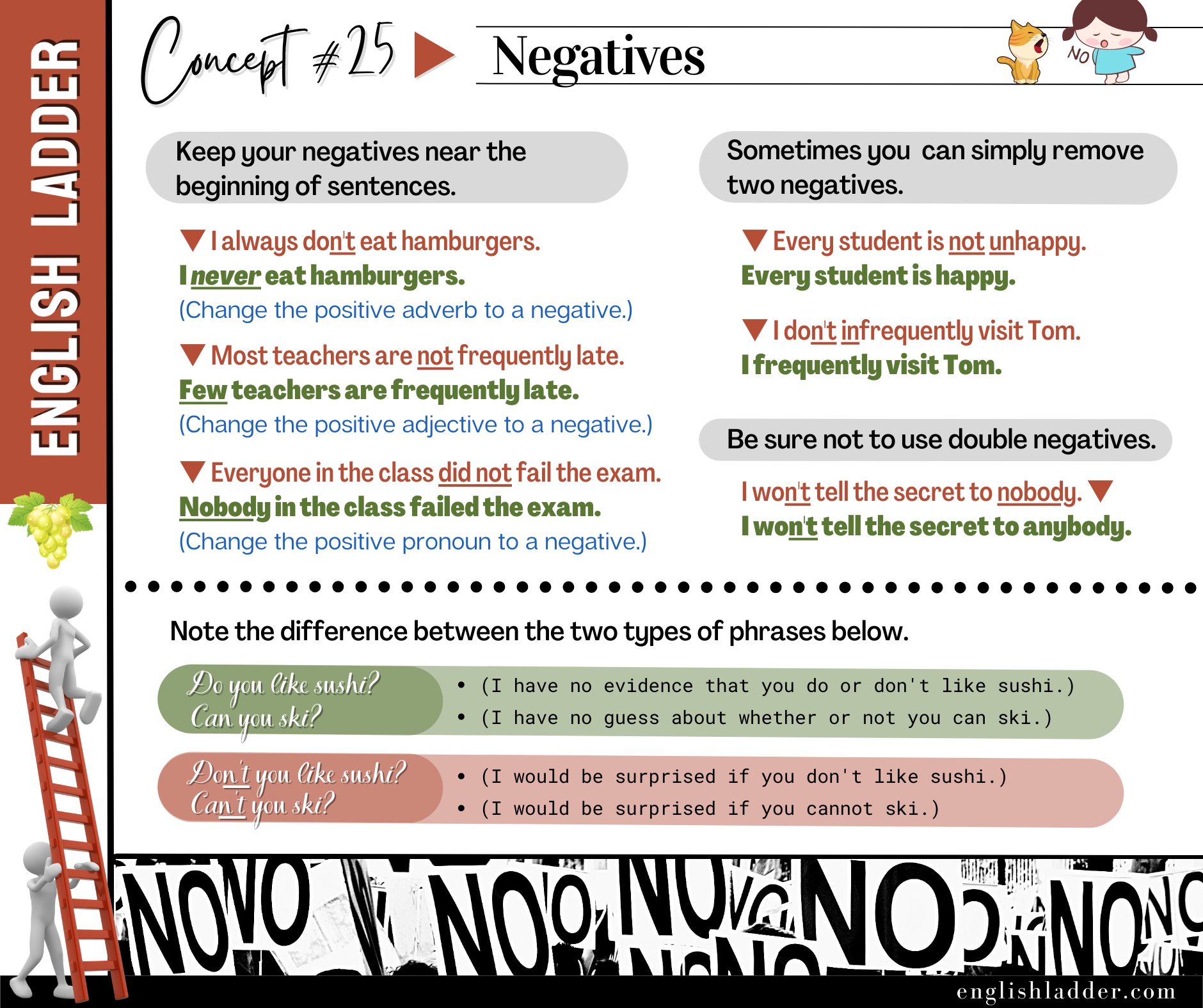
25 · B1–B2 · 10–15 min
Make clear what is not true or not required.
Sentence structure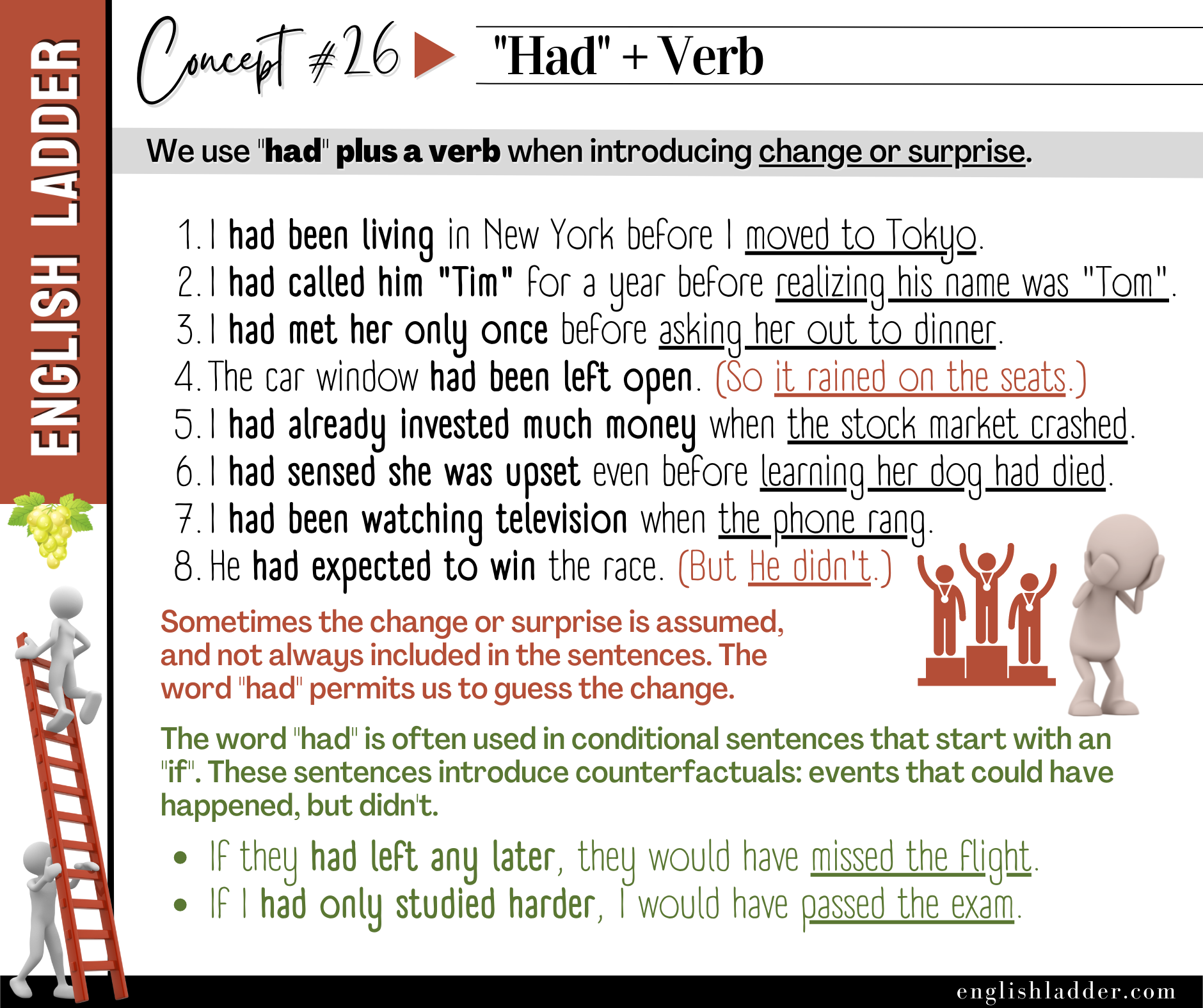
26 · B1–B2 · 10–15 min
Show what had happened before another past point.
Time and verbs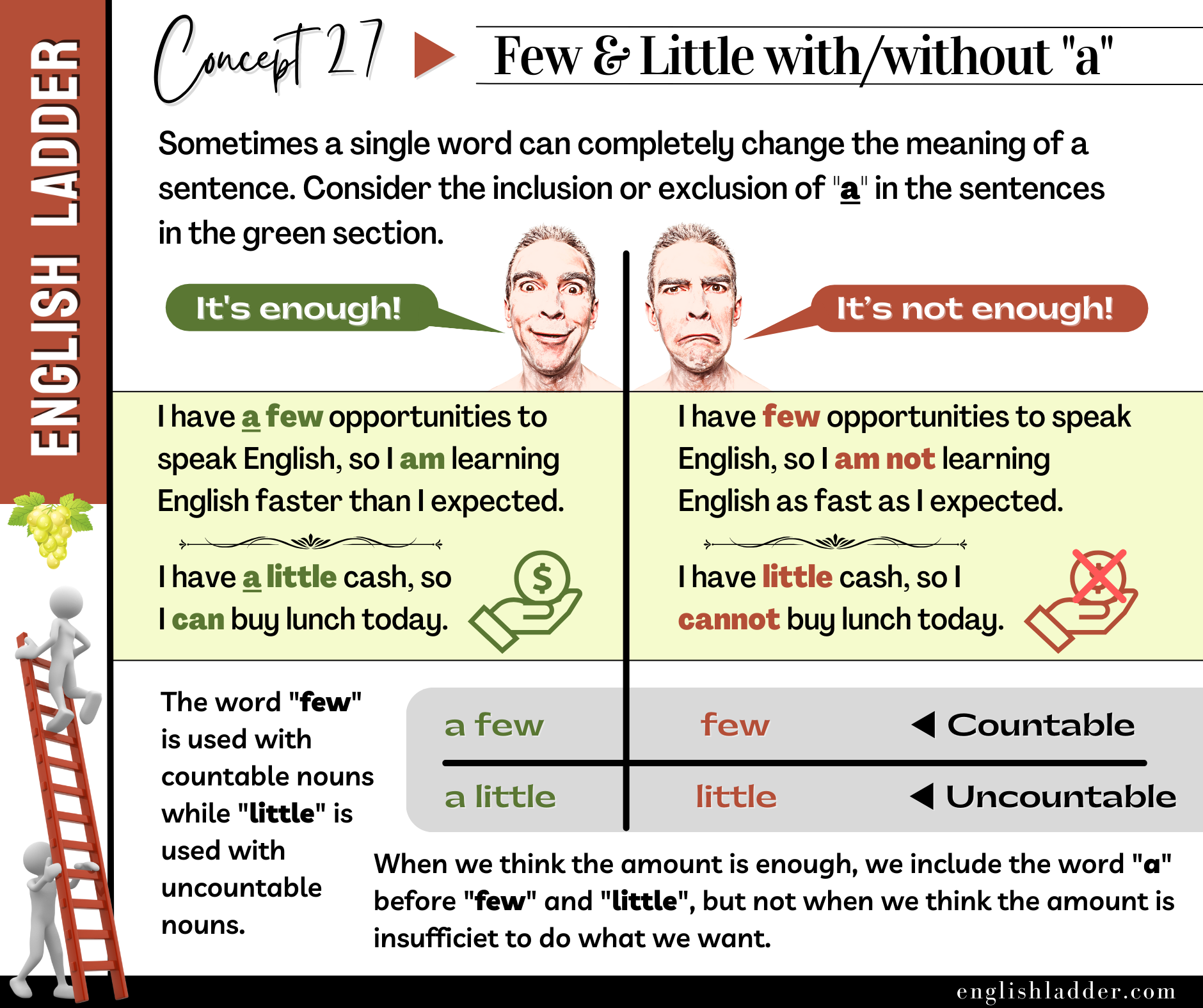
27 · A2–B1 · 10–15 min
Express a small amount with the intended emphasis.
Quantity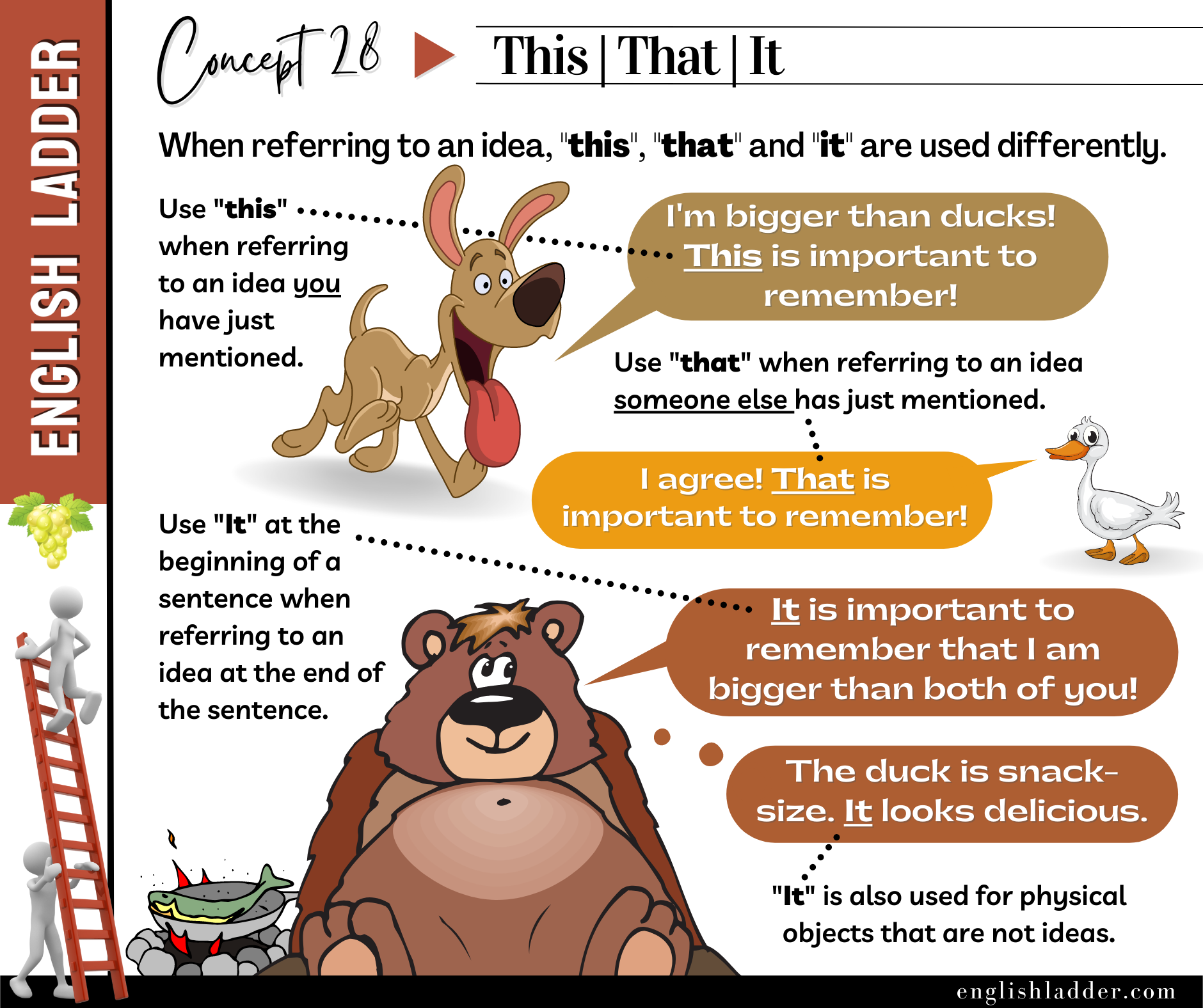
28 · B1–B2 · 10–15 min
Refer clearly to objects and ideas in context.
Sentence structure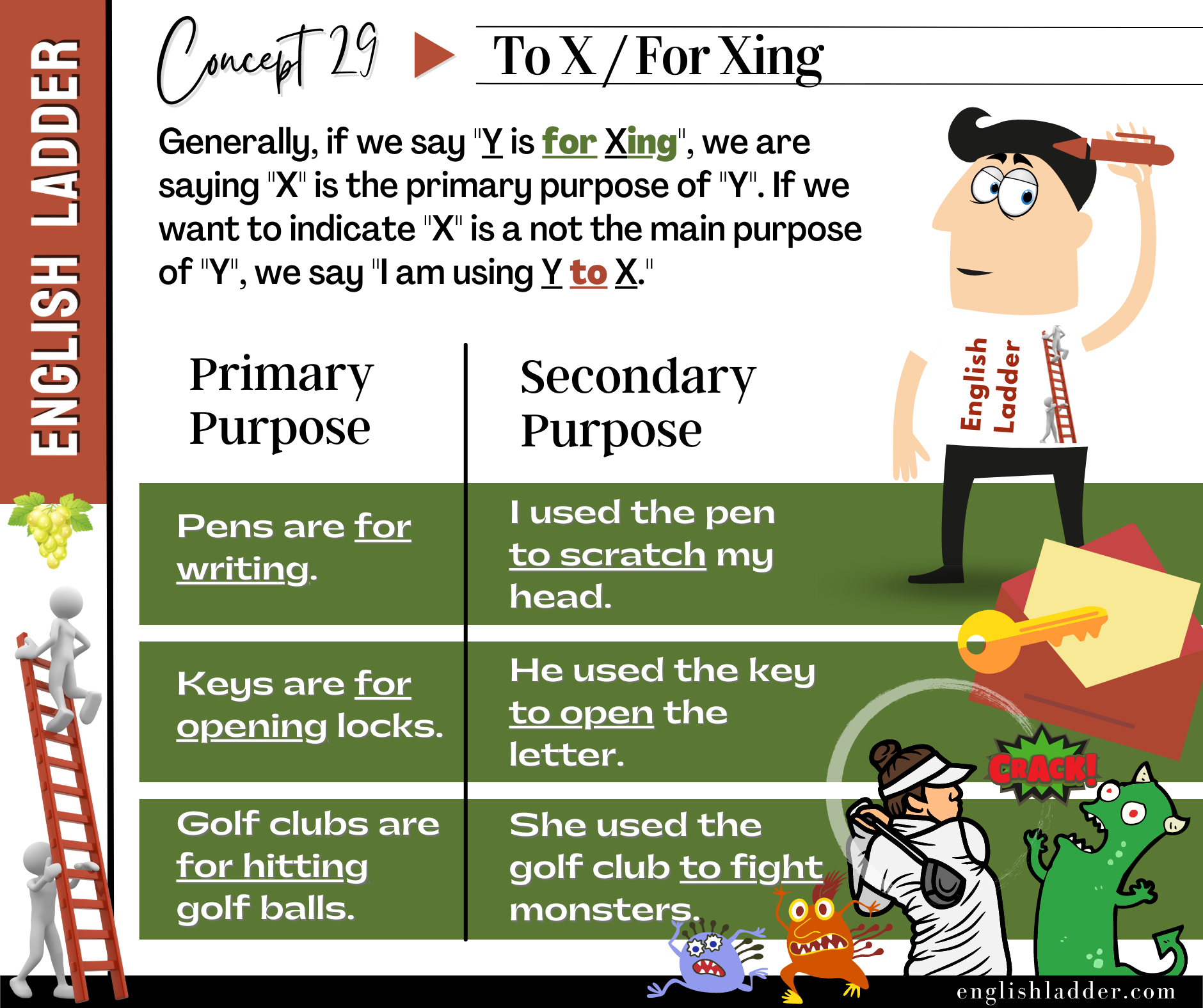
29 · A2–B1 · 10–15 min
Explain a purpose or the function of an object.
Connecting ideas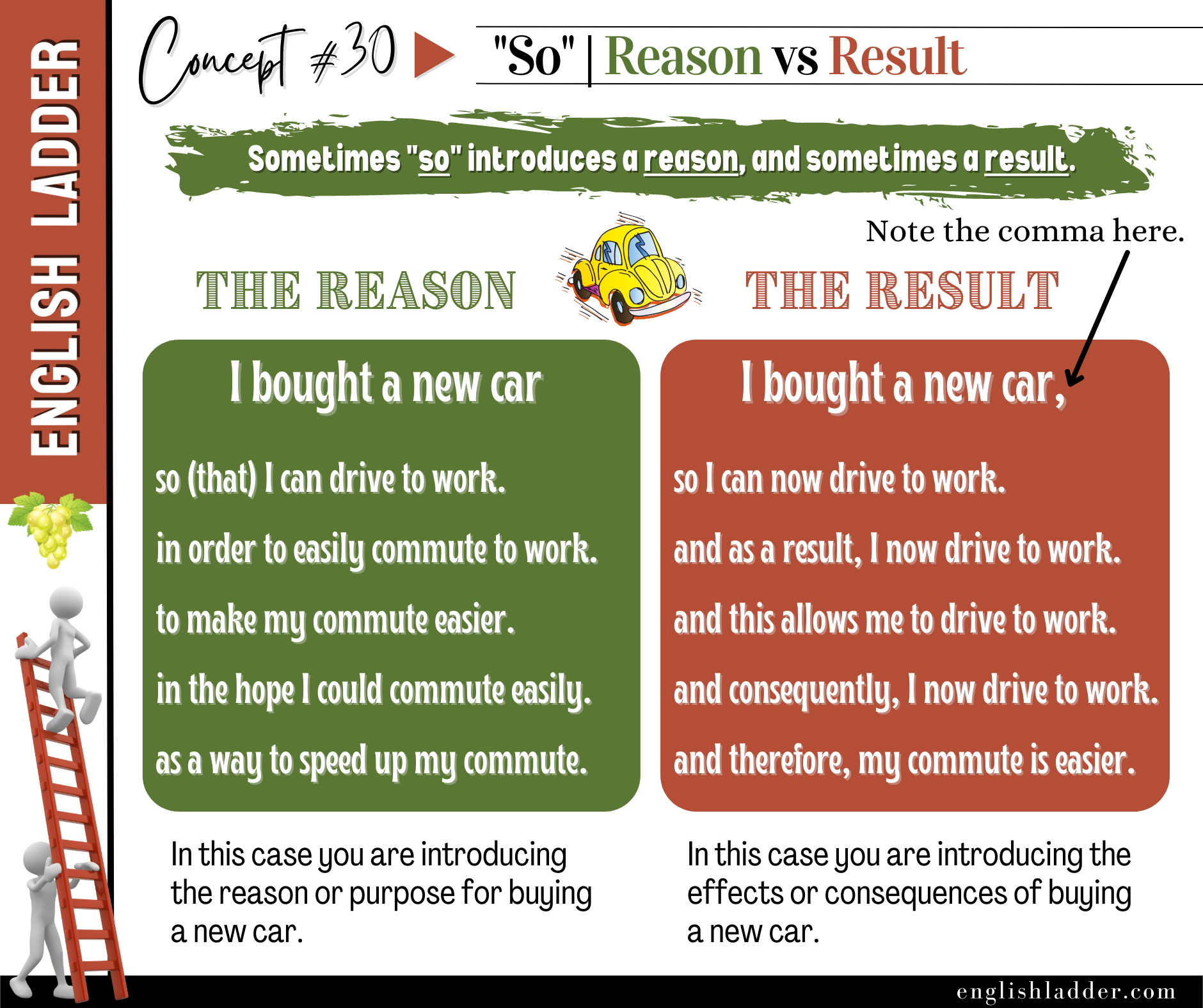
30 · B1–B2 · 10–15 min
Distinguish a result from an intended purpose.
Connecting ideas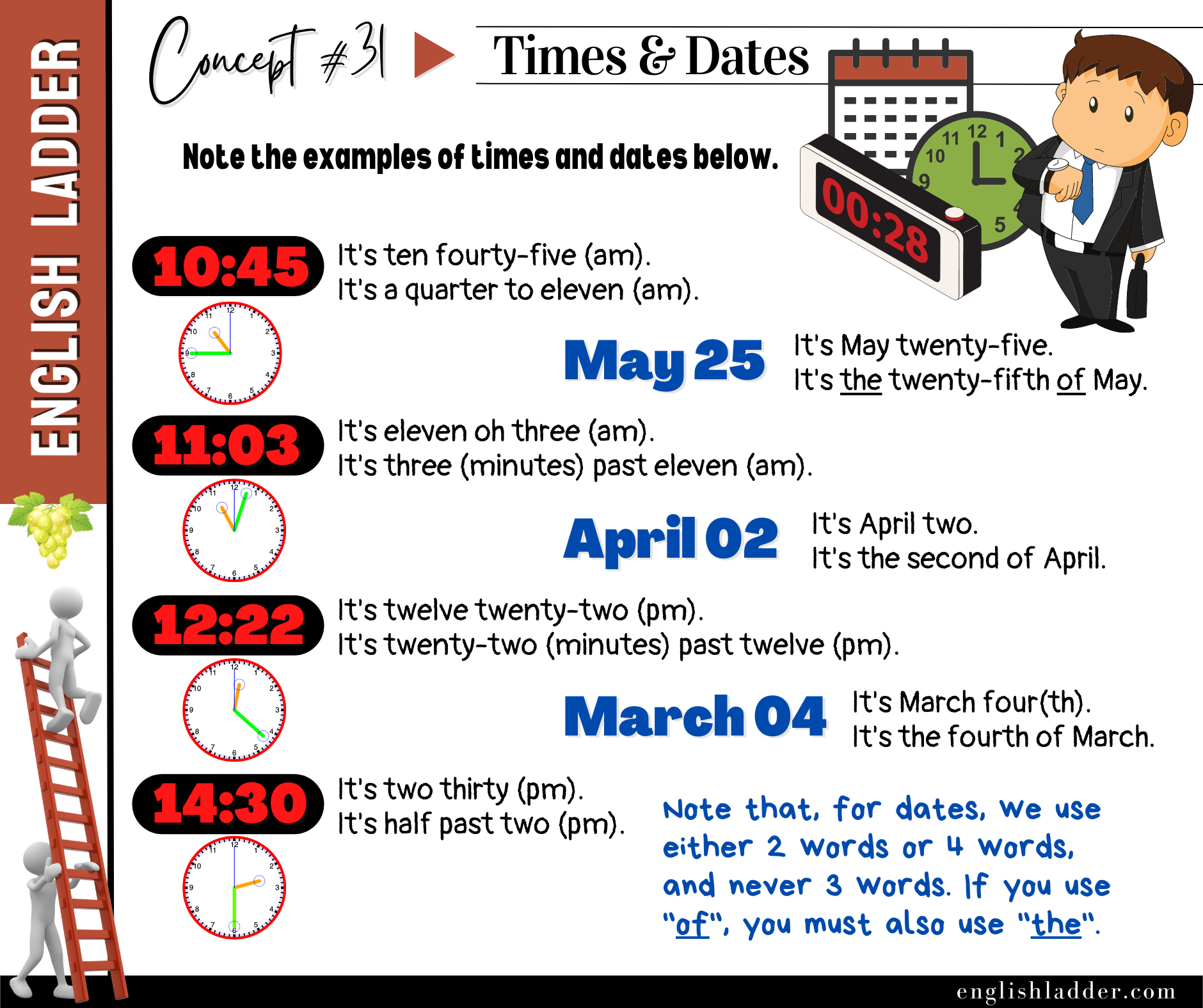
31 · A1–A2 · 10–15 min
Agree on an unambiguous time.
Place and time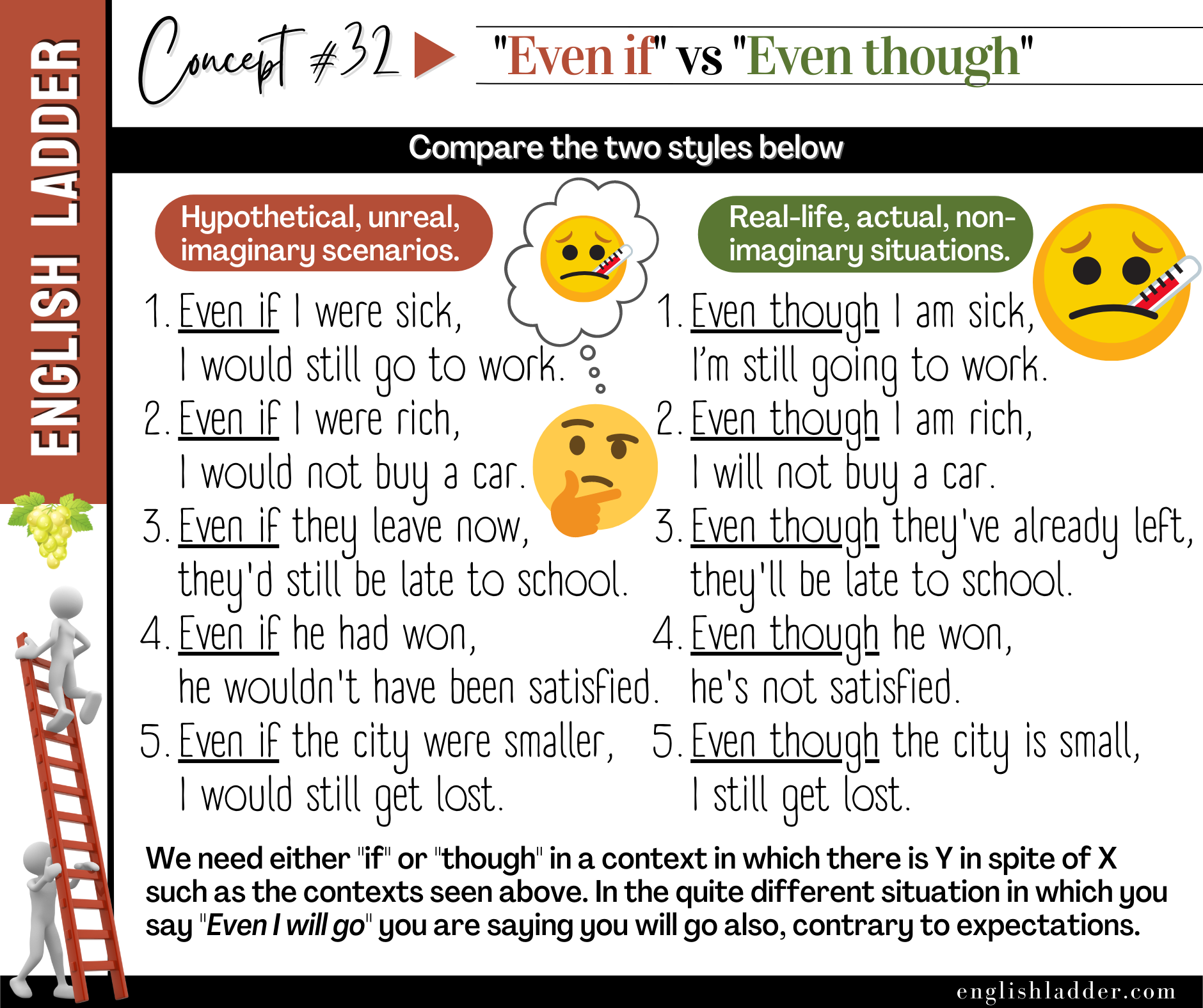
32 · B1–B2 · 10–15 min
Distinguish a condition from an accepted fact.
Connecting ideas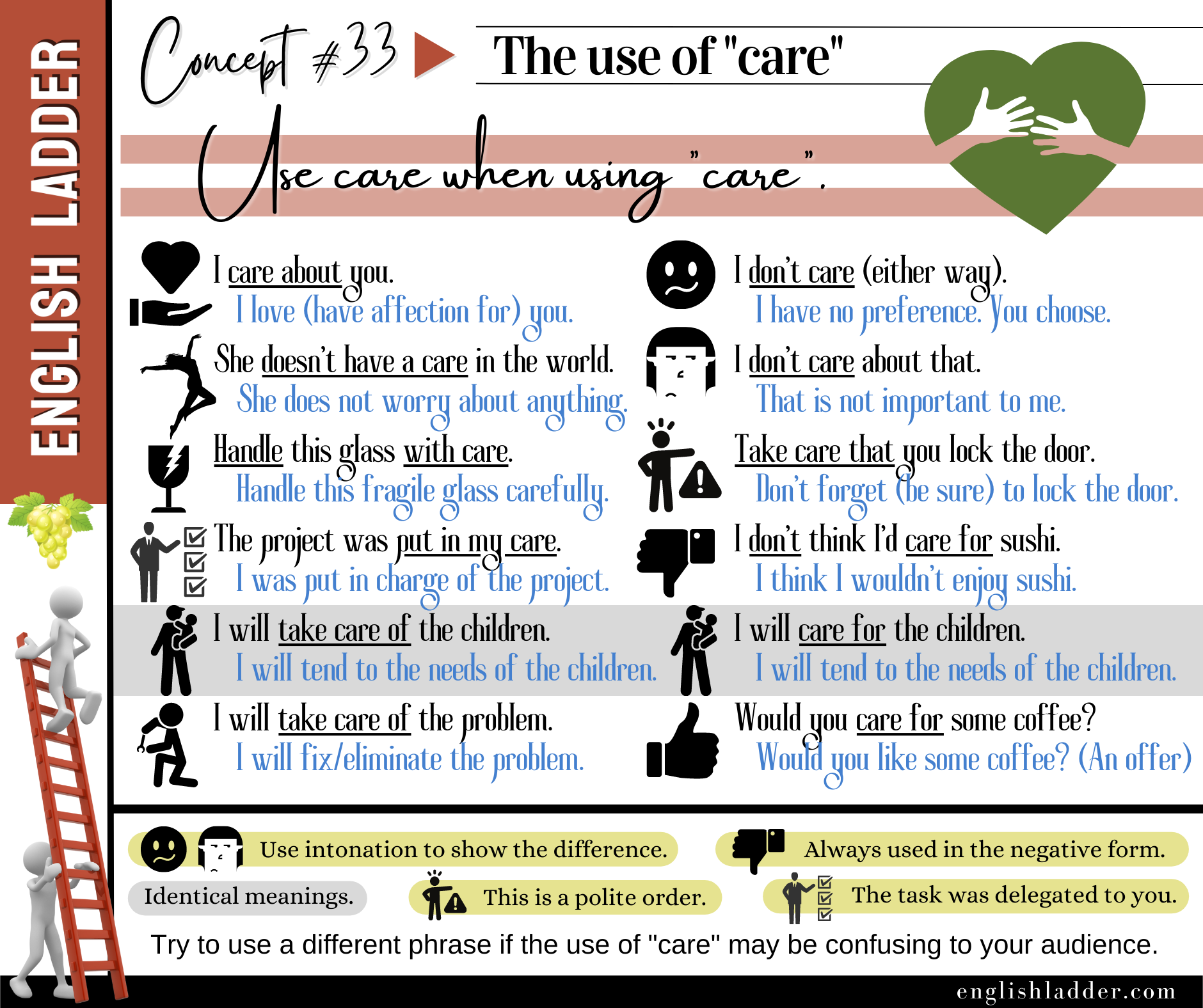
33 · B1–B2 · 10–15 min
Say what matters to you and who you look after.
Word choice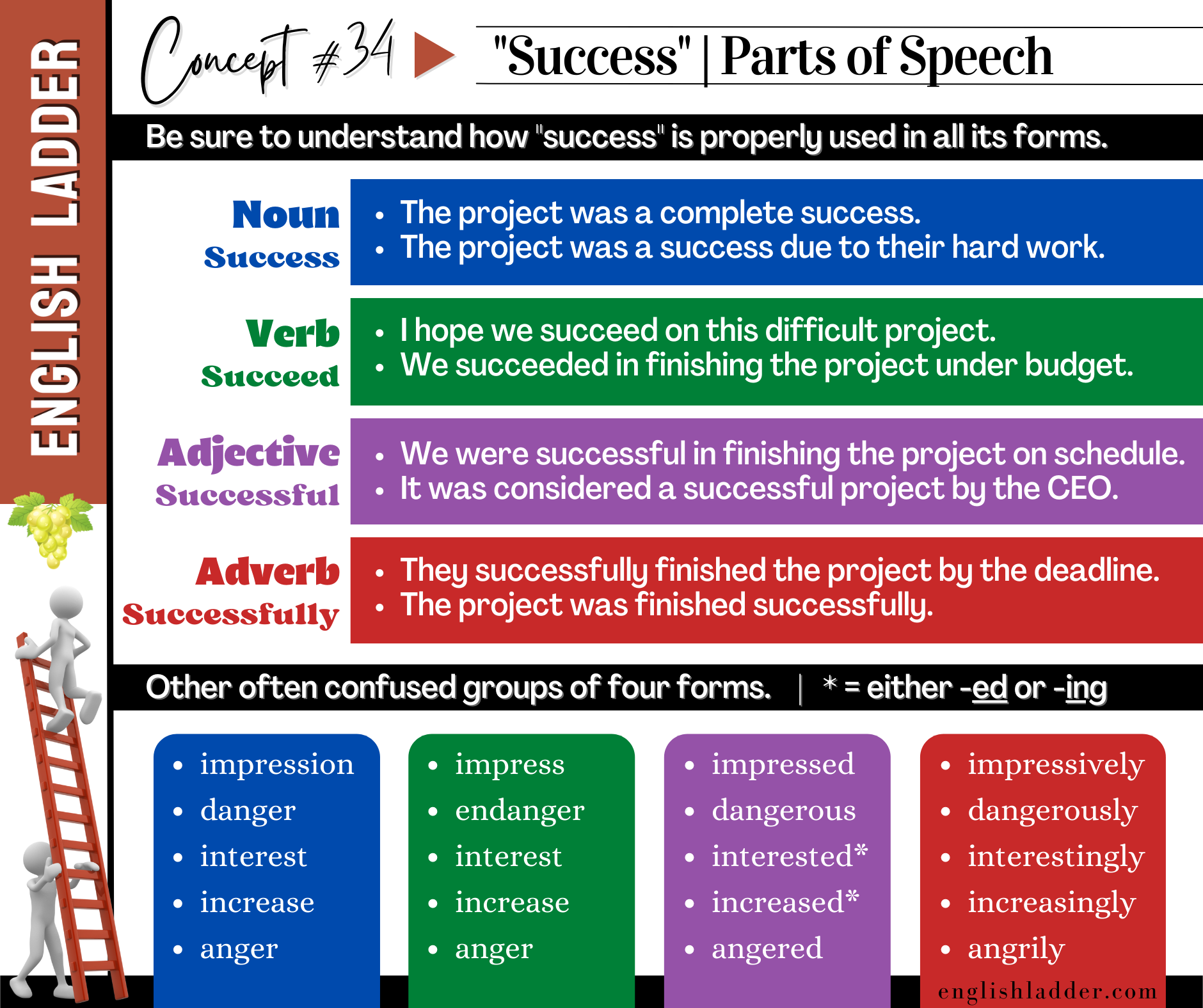
34 · A2–B1 · 10–15 min
Use the correct member of a word family.
Word choice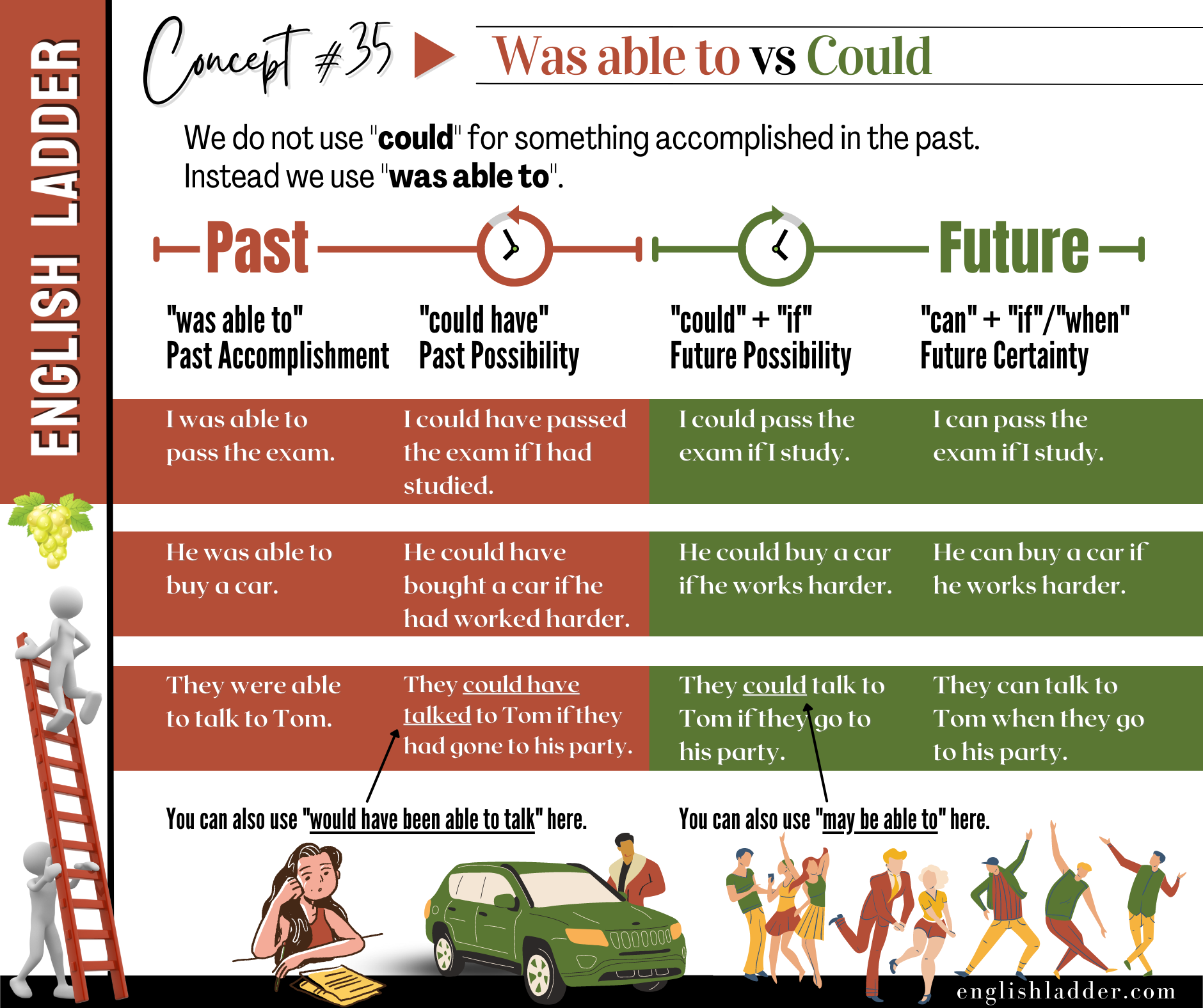
35 · B1–B2 · 10–15 min
Distinguish past ability from a particular achievement.
Time and verbs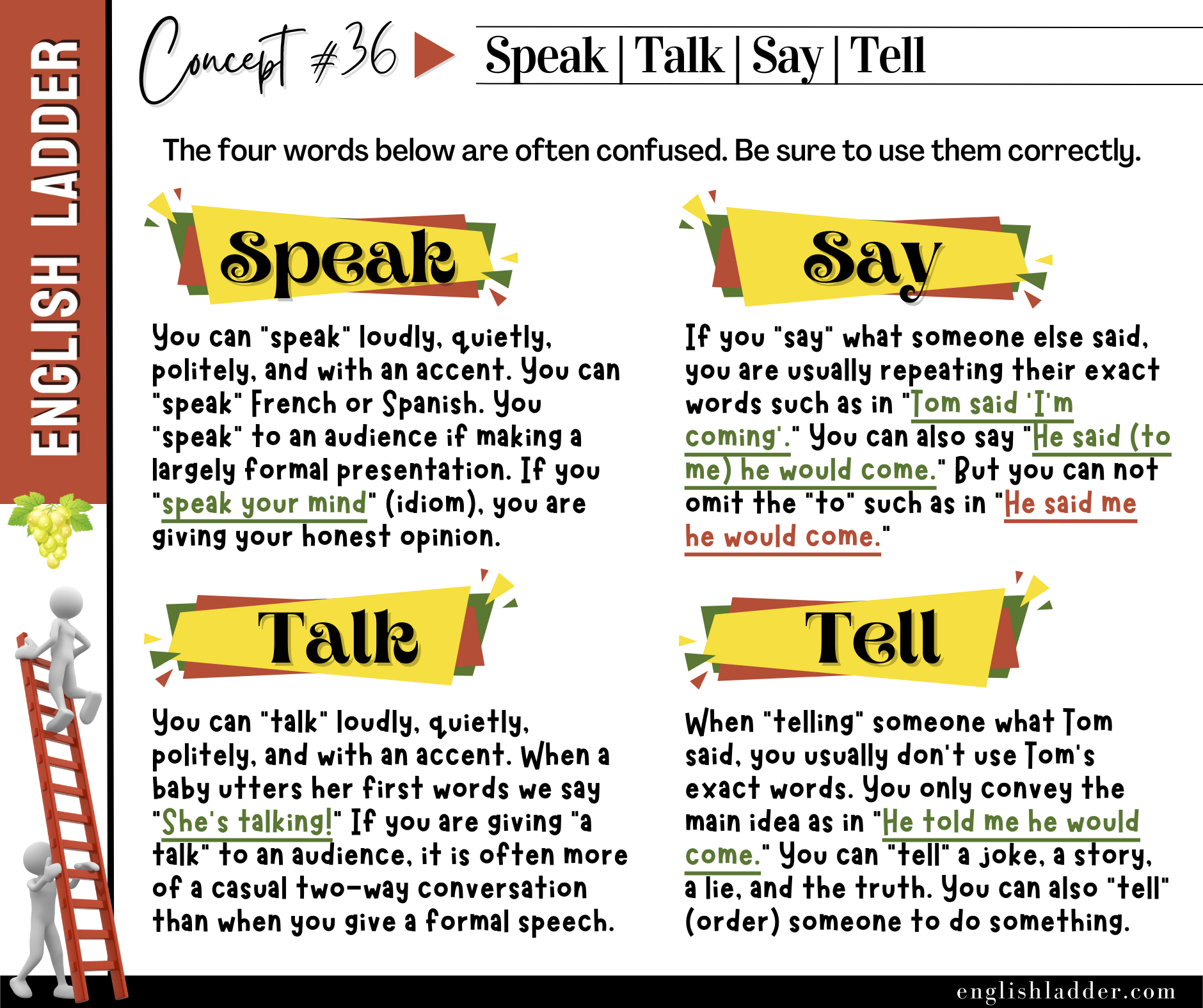
36 · A2–B1 · 10–15 min
Choose a verb that fits the message and listener.
Word choice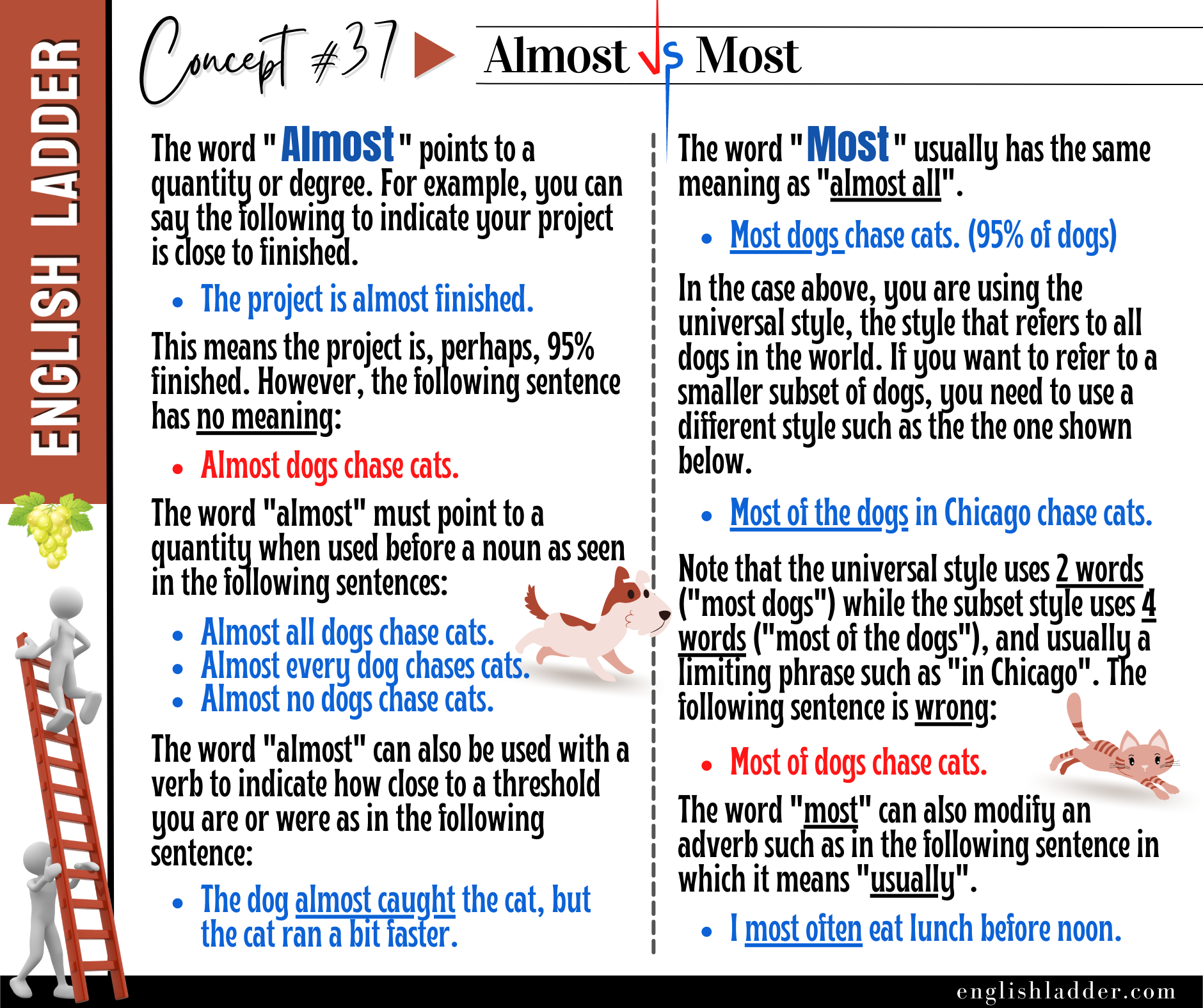
37 · A2–B1 · 10–15 min
Distinguish a majority from something nearly true.
Quantity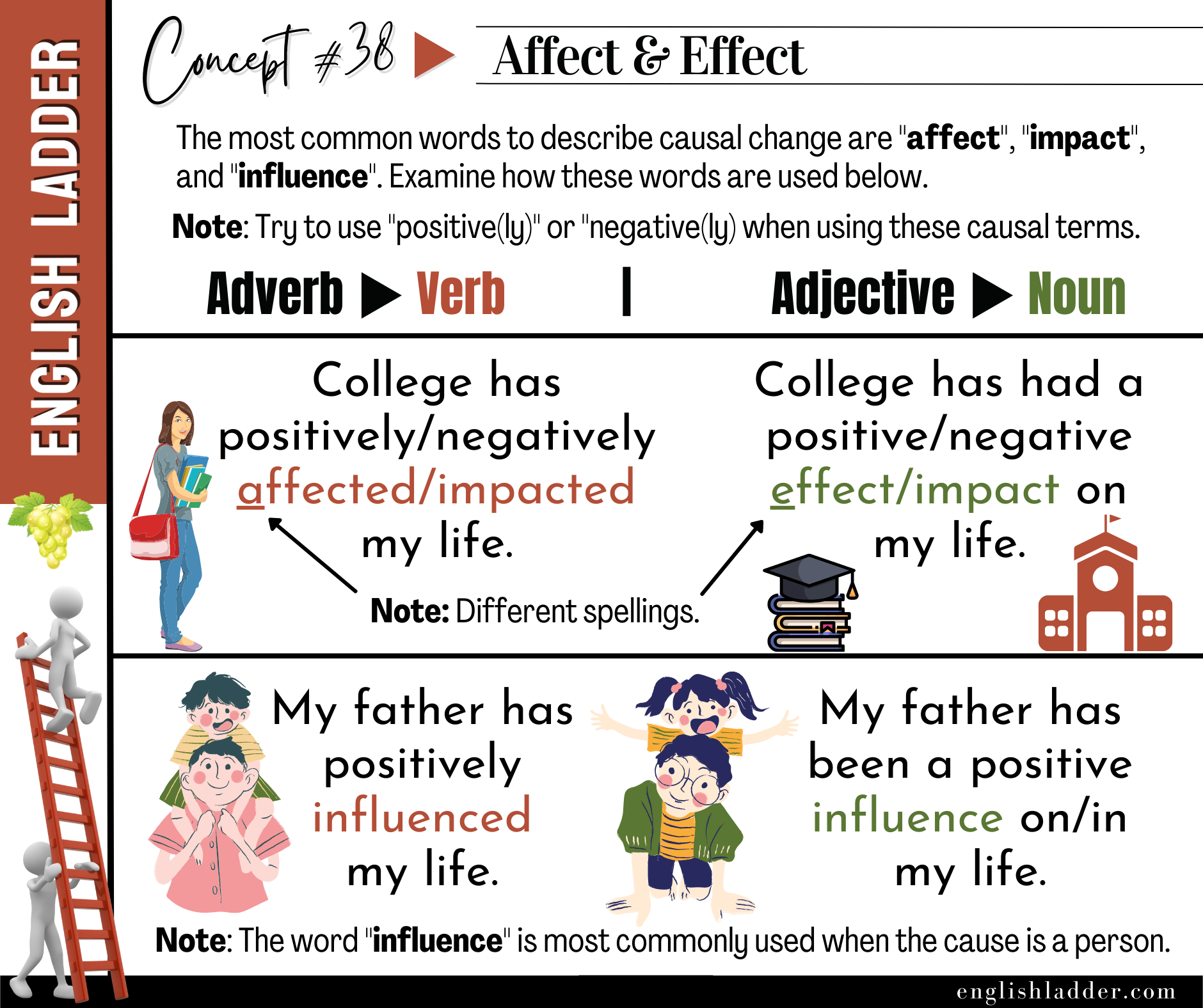
38 · B1–B2 · 10–15 min
Describe an influence and its result.
Word choice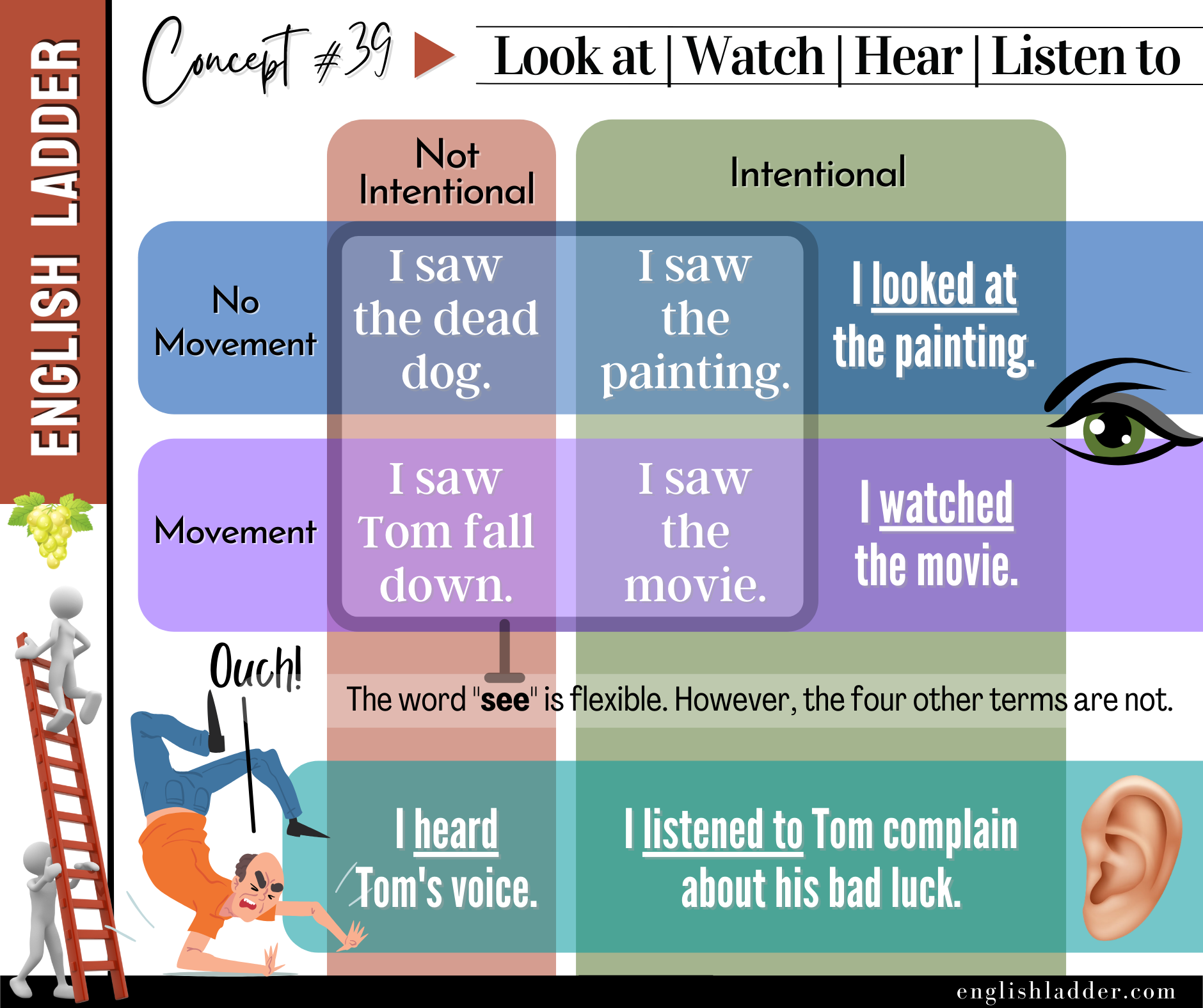
39 · A2–B1 · 10–15 min
Describe attention and perception.
Word choice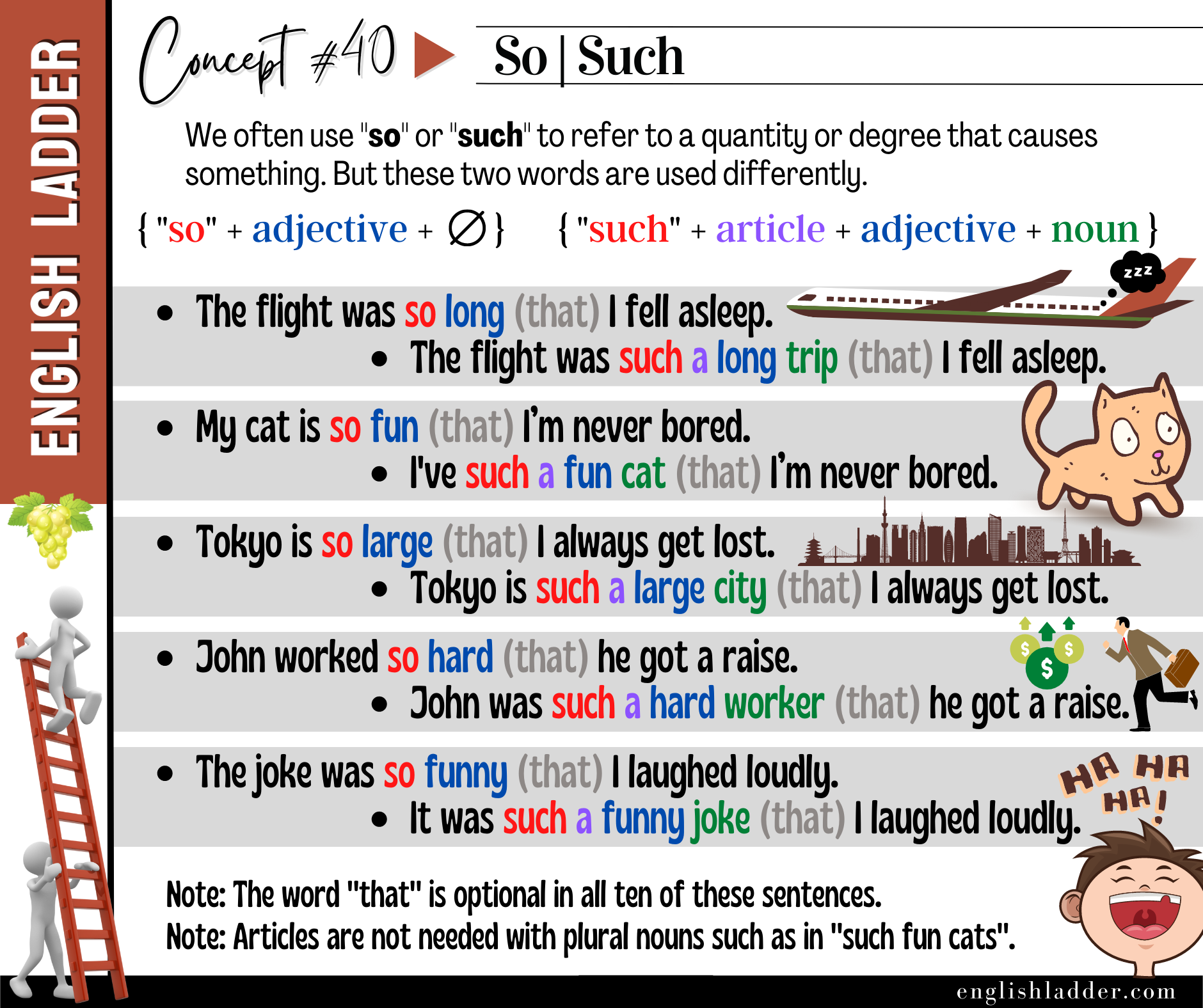
40 · A2–B1 · 10–15 min
Add emphasis using the right sentence pattern.
Quantity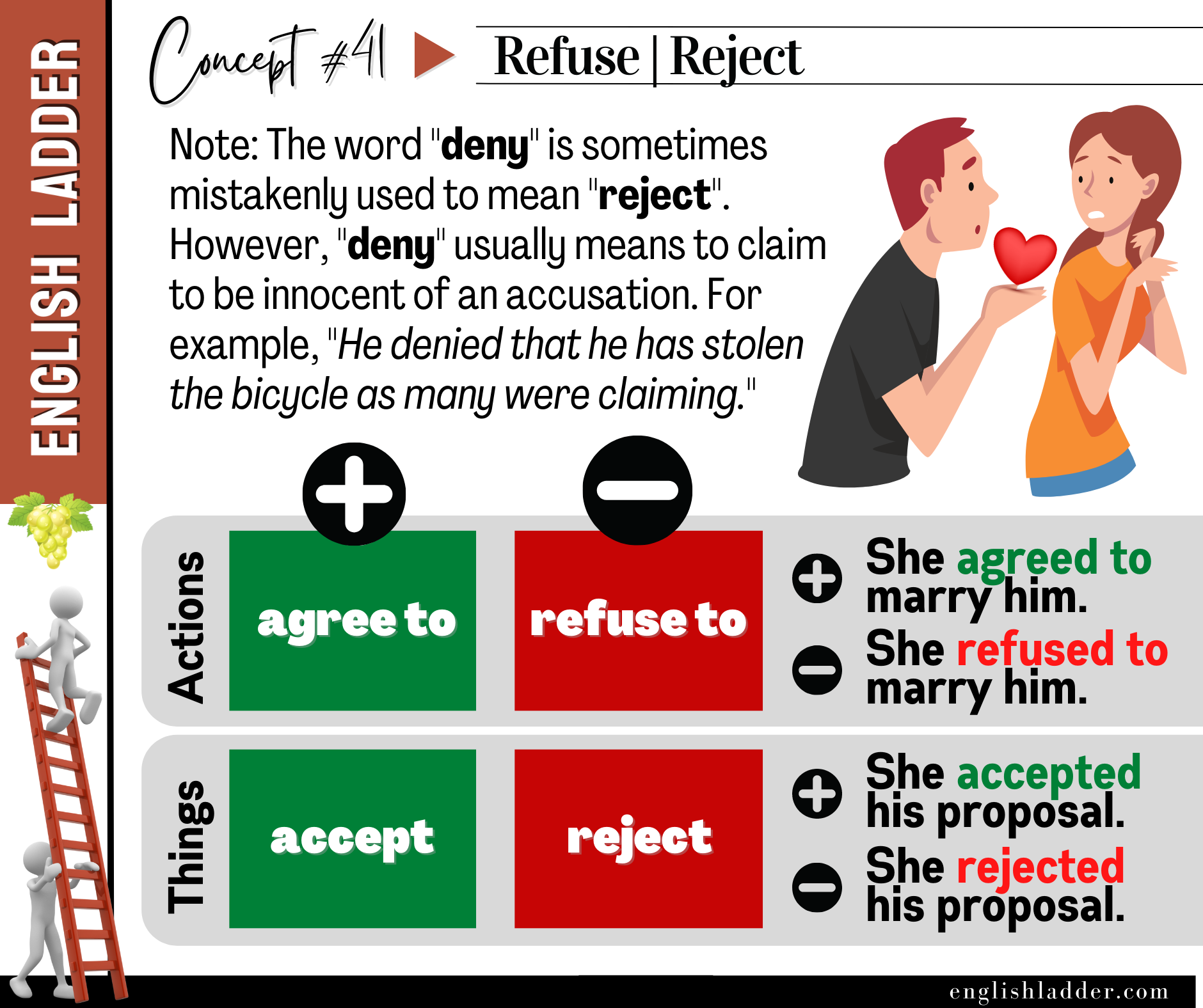
41 · B1–B2 · 10–15 min
Decline an action or turn down an offer.
Word choice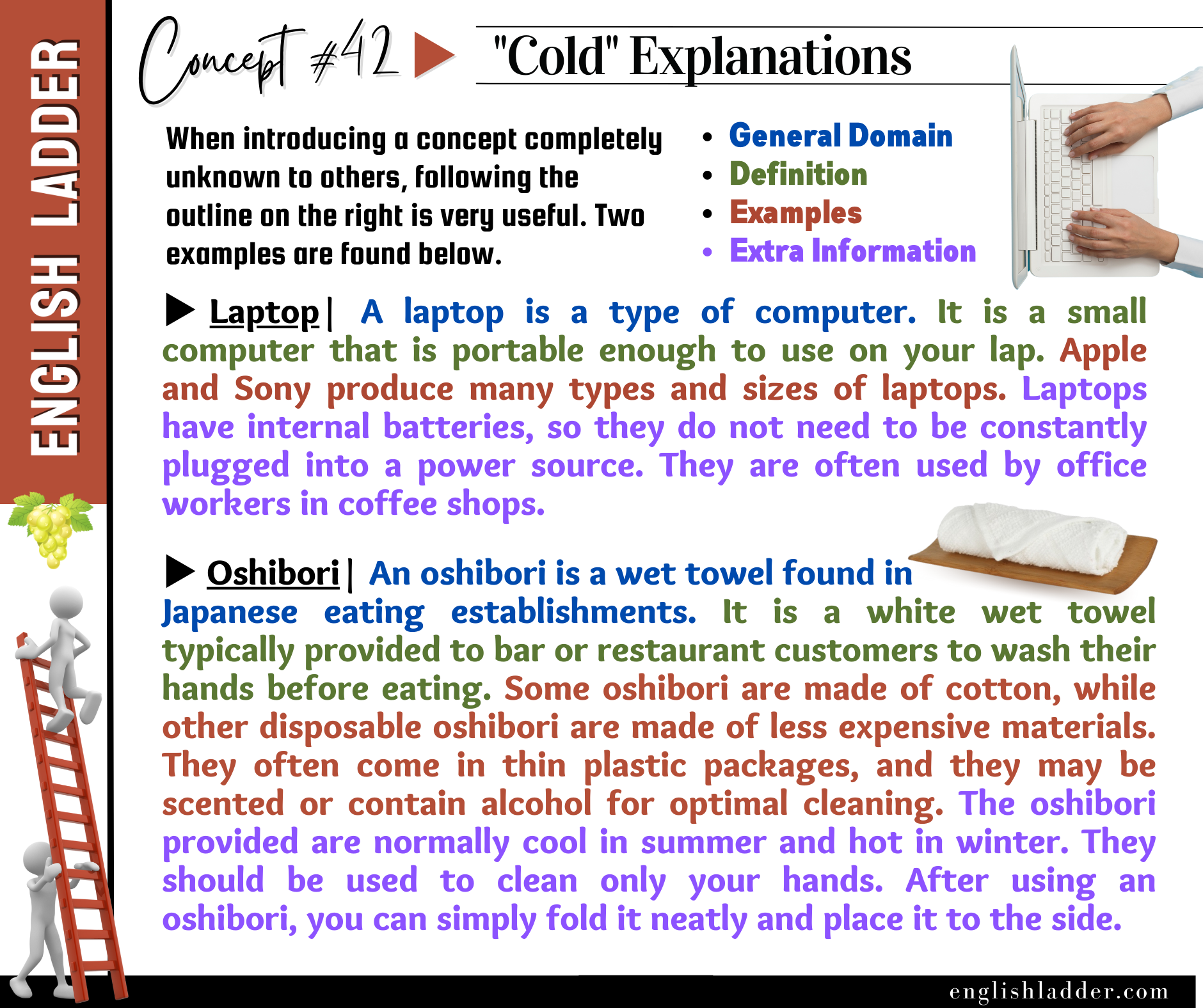
42 · B1–B2 · 10–15 min
Help a listener understand a new term.
Everyday communication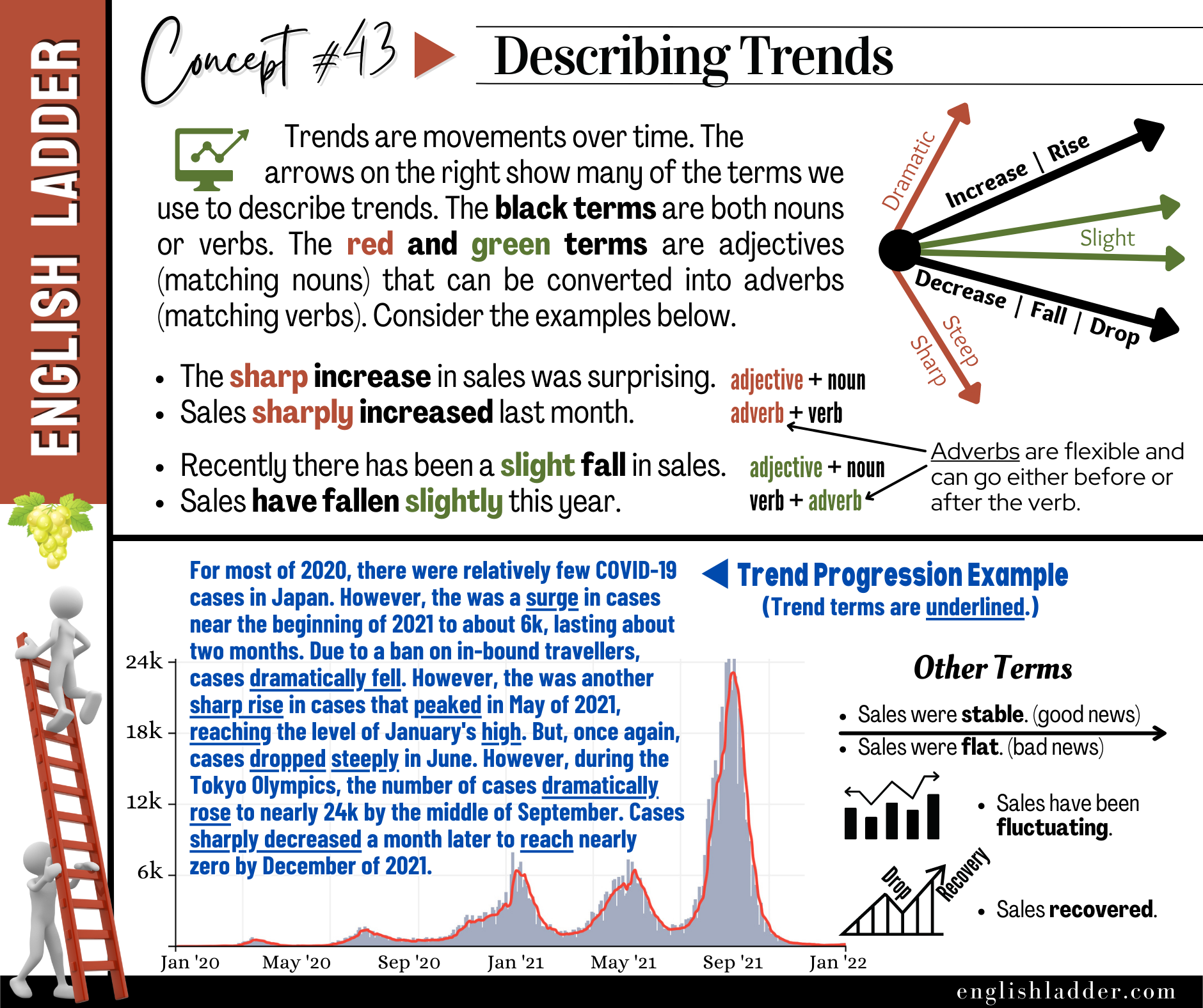
43 · B1–B2 · 10–15 min
Describe a change with its amount and time period.
Everyday communication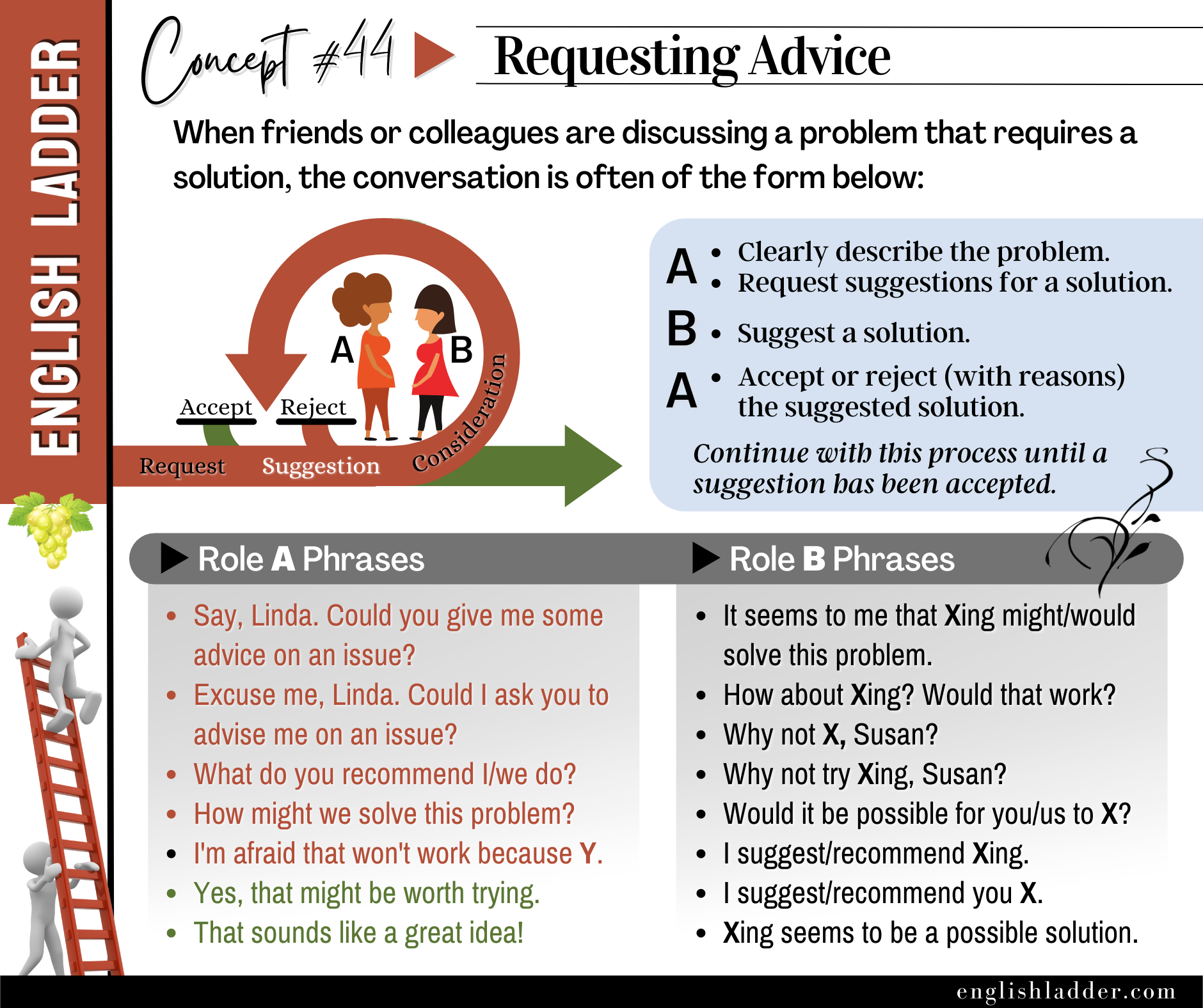
44 · A2–B1 · 10–15 min
Ask a focused question and offer a useful option.
Everyday communication